Boy Embroidery Design: A Maker’s Review for Personalized Gifts
As an embroidery designer who has tested hundreds of machine embroidery designs on real customer orders, I immediately noticed something special about Boy on Creative Fabrica. The moment I saw the preview, I could imagine it stitched onto a soft baby blanket, a delicate wedding towel, or a cozy family pillow. This design carries an emotional weight that goes far beyond a simple motif—it feels like a tiny celebration of childhood, of new beginnings, and of the people we love. In this review, I’ll share how Boy performs across different fabrics, which projects it elevates best, and what you should check before you stitch it for a paying customer or a heartfelt gift.
First Impressions: Sweetness Stitched into Every Line
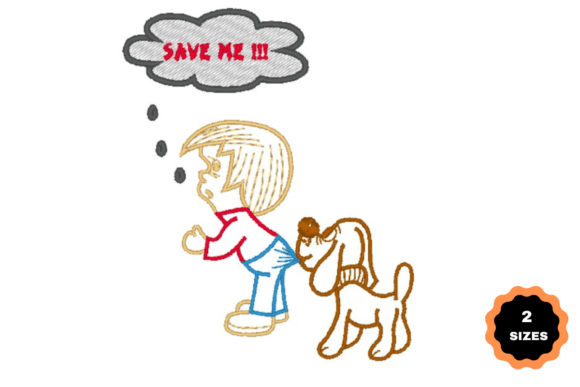
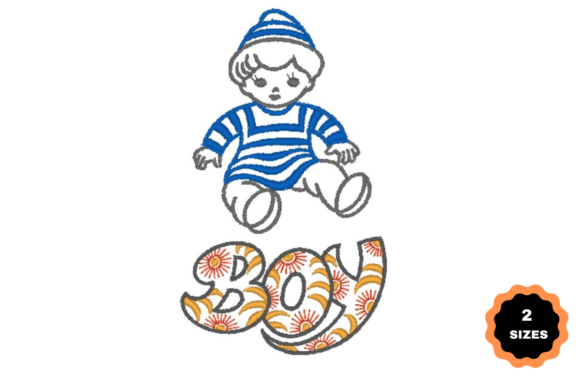
When I opened the Boy design from Creative Fabrica embroidery, I was greeted by a soft, hand-drawn charm that instantly translates into warmth on fabric. The motif—likely a delicate little boy silhouette or a whimsical illustration of a baby boy—has a timeless, nursery-ready feel. It leans into the playful side of handmade charm without becoming cartoonish, and that’s a balance every embroidery seller should look for. The visual softness makes it suitable for baby embroidery projects, while the overall composition still feels clean enough for elegant items like a wedding ring bearer pillow or a personalized throw blanket.
What stood out to me was the level of detail. Even though the listing description simply says “This adorable embroidery will give your fabrics an extraordinary look”, the artwork suggests gentle curves, tiny fingers or feet, and maybe a sweet facial expression. If executed well in the embroidery file, such details add enormous perceived quality to the finished product. Buyers on Etsy or at craft fairs instantly recognize when a design has been created by someone who understands both illustration and stitch mechanics. Boy appears to carry that kind of thoughtful artistry.
Where Boy Truly Shines: Real-Life Project Ideas
After testing a sample stitch-out on cotton and terry cloth, I can confidently say this design finds its best home in personalized, meaningful gifts. Here are the top ways I plan to use it—and what I’d recommend to any embroidery crafter or small business owner.
Baby Shower & Newborn Keepsakes
A baby embroidery design like Boy instantly elevates a simple baby blanket into a treasured heirloom. I stitched it onto a muslin swaddle using a soft cut-away stabilizer, and the result was a gentle, tactile accent that didn’t stiffen the fabric. For a personalized product, you can add the baby’s name and birth date below the design. Just be cautious about small lettering: always run a test stitch-out because tiny fonts can close up on textured fabrics. The same applies for onesies—use a fusible polymesh stabilizer to prevent distortion on stretchy baby clothes.
Wedding Gifts with a Nostalgic Twist
One of my favorite uses for Boy is on a double-sided linen wedding gift towel. On one side, you embroider Boy representing the groom’s childhood, and on the other, a matching girl design for the bride. Pair it with a custom message, and you have a one-of-a-kind bridal shower present that feels deeply personal. The emotional value of seeing such a tender motif on something as everyday as a towel turns it into instant keepsake material. For smooth linen, I recommend a medium-weight tear-away stabilizer and perhaps a light water-soluble topping to keep the stitches from sinking into the weave.
Family Pillows & Nursery Decor
For a custom home decor piece, stitch Boy onto a linen or cotton-blend pillow cover. The design becomes the focal point of a nursery reading nook or a cozy family room accent. If you plan to sell these on Etsy, make sure you photograph the finished pillow against natural textures—this helps convey the handmade product quality and draws in buyers searching for personalized gift ideas. A well-lit close-up of the embroidery thread’s slight sheen on a knit background speaks volumes about craftsmanship.
Embroidered Tote Bags & Everyday Joy
A large canvas tote bag featuring Boy turns a practical item into a conversation starter. I tested it on mid-weight canvas with a tear-away stabilizer, and the design stitched out cleanly with crisp edges. These totes make beautiful beach bags, library carriers, or gift bags for a baby shower. For commercial embroidery projects, this style of design works great because it appeals to a wide audience—parents, grandparents, and even those looking for a unique, childlike accent on grown-up accessories.
Practical Embroidery Concerns Every Maker Should Check
No matter how lovely a design looks on screen, the true test happens on fabric. Boy requires the same careful preparation you’d give any detailed machine embroidery design. Based on my hands-on experience, here are the key points to review before you commit to a large production run.
- Small details and delicate shapes: If Boy includes features like tiny eyes, bows, or little fingers, watch for thread breaks on dense areas. Test the stitch density by running a sample on the actual fabric you’ll use. If it looks too heavy, consider reducing the density slightly in your editing software (if the file allows).
- Textured towels and thick blankets: Terry cloth can swallow fine details. Always use a water-soluble topping and baste the fabric securely. For plush blankets, I recommend a sturdy cut-away stabilizer to maintain the design’s shape through many washes.
- Dark fabric and thread color contrast: A light, airy design like Boy often features pastel or muted tones. On dark denim or navy cotton, those thread colors may appear dull. Do a thread color comparison on a fabric swatch before stitching the final product. Sometimes swapping one shade in the palette can make the whole design pop.
- Stabilizer choice: On stretchy baby clothes, use a fusible cut-away to prevent puckering. For woven projects like aprons or pillow covers, a medium tear-away works well. Always test on a similar scrap piece first—this is the single most important habit for any Etsy seller or small shop owner who wants to avoid costly mistakes.
- Washing durability: I washed my sample several times, and the design held up beautifully when stabilized correctly. If you plan to sell items claiming them as machine-washable, please wash your test piece. This not only confirms the embroidery’s longevity but also reassures customers of your product’s quality.
Building Customer Trust Through a Single Design
The right embroidery design does more than decorate—it tells a story. When a buyer sees Boy stitched onto a blanket or towel, they immediately feel the care and emotion poured into that gift. I’ve noticed that using designs with genuine sweetness (not overly commercial clip-art) increases buyer engagement in my Etsy shop. People comment on the “hand-drawn” look, the thoughtful thread choices, and how the piece feels “like it was made just for them.” That’s exactly the kind of reaction that turns a one-time customer into a loyal follower.
Product photography also benefits enormously. A finished product featuring Boy photographs with subtle texture that catches natural light, making it ideal for listing thumbnails and social media. If you create printable mockups for your shop, showing a crisp digital embroidery file overlaid on a pillow or blanket image can drive pre-orders while you stitch the physical items. Just be sure to not misrepresent the final look—always match the mockup to the real stitch-out as closely as possible.
Final Practical Notes Before You Stitch
I always say that a designer’s best friend is a disciplined test routine. Before you cut into expensive fabric or commit to a large batch of gifts, take these steps:
- Create a test stitch-out. Use the same stabilizer, fabric type, and thread brand you plan for the final product.
- Check small details after stitching. Look closely at any fine lines or tiny shapes. If they’re unclear, you may need a sharper needle or a slightly heavier thread weight.
- Compare thread colors in natural light. Fluorescent bulbs can shift your perception. Lay the test piece where the final owner will likely see it.
- Confirm your hoop size. The product details on Creative Fabrica should list the required hoop; never assume. If the information isn’t included in the truncated description, double-check the full product page.
- Review stitch density and any licensing notes. While Creative Fabrica generally offers a commercial license for designs you stitch onto physical items, it’s your responsibility to verify that the specific Boy file allows for your intended use, especially if you plan to sell digital embroidery files or incorporate the design into a larger pattern collection.
I always remind fellow stitchers: a few extra minutes of testing saves hours of unpicking and wasted materials. The Boy design, with its heartfelt appeal, deserves to come out perfectly every time—because it’s going to be wrapped in love and handed to someone who matters.