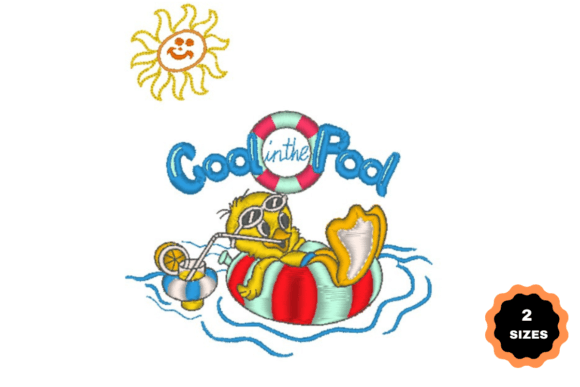
Duck in the Pool: A Designer’s Apparel Review
When I first saw Duck in the Pool on Creative Fabrica, I immediately imagined it as the centerpiece of a cozy, personality-filled sweatshirt collection. The product description sums it up perfectly: “This adorable embroidery will give your fabrics an extraordinary look. Sew this lovely embroidery design onto any fabric that needs a nice accent.” That promise of instant accent power is exactly what a boutique apparel brand needs, and this design delivers a relaxed, cheerful mood that can elevate everything from oversized hoodies to subtle sleeve motifs.
As someone who stitches for small clothing labels, Etsy sellers, and handmade business owners, I’m always looking for machine embroidery design files that strike a balance between visual charm and production practicality. Duck in the Pool is a perfect example of a character-driven motif that feels hand-picked for the boutique market — cute without being childish, playful yet refined enough for an adult garment. In this review, I’ll walk through how I evaluate the design for real apparel use, where it excels, and the production notes every embroiderer should consider before hooping up.
First Impressions: Visual Personality and Stitching Mood
From a design perspective, Duck in the Pool reads as a lighthearted water scene with a charming duck at its heart. The linework has a gentle, almost storybook quality that translates beautifully into thread. I wouldn’t call it ultra-minimalist, nor is it overly dense and heavy. It sits in that sweet spot where the stitching offers enough texture to feel premium but remains wearable for everyday apparel. The overall impression is playful, casual, and subtly rustic—ideal for brands that want to project warmth and approachability.
Because the motif belongs to the Birds category on Creative Fabrica, it automatically taps into the enduring popularity of animal-themed embroidery in the fashion world. Ducks, in particular, have a nostalgic, countryside feel that’s been trending on sweatshirts, tote bags, and vintage-style denim jackets. The aquatic theme here also makes it seasonally flexible—you can lean into a summer pool vibe or style it with cozy layers for a fall-afternoon-by-the-lake aesthetic.
Where This Design Shines on Apparel
Real talk: not every embroidery file works on every garment. But Duck in the Pool is one of those versatile designs that can adapt to multiple placements without losing its personality. Here’s how I break down its potential across boutique merchandise.
Sweatshirt Embroidery and Hoodie Chest Placement
For a classic crewneck or hoodie, a left-chest or center-chest placement is the go-to. The design’s scale feels natural for a moderate chest motif—not too tiny that details disappear, not so large that it overwhelms. On a neutral oatmeal, heather grey, or pastel mint sweatshirt, this design becomes a focal point that buyers instantly connect with. Because the duck scene has a delicate feel, I’d lean toward lighter, softer fabric colors to let the threadwork pop without fighting a dark background.
Sleeve Accents and Pocket Details
I’ve been experimenting more with sleeve embroidery for small shop products, and Duck in the Pool could absolutely work on the upper arm of a long-sleeve tee or the cuff area of a hoodie. The design’s contour is compact enough that it won’t warp dramatically over the curve of a sleeve, though you’ll want to float the fabric carefully and use a quality cut-away stabilizer. A chest pocket embellishment on a denim or chambray shirt also comes to mind—the pool theme gives off a relaxed, customized vibe.
Back Designs and Statement Tote Bags
Thinking bigger: blown up to a generous back placement on an oversized sweatshirt or a canvas tote bag, the scene gains an almost artistic, mural-like quality. Tote bag embroidery has become a major revenue stream for many Etsy sellers, and a design like this—detailed but not dense to the point of stiffness—is perfect for that. It offers an elevated handmade product feel without requiring hours of stitch time.
T-Shirt Embroidery and Denim Jackets
A lighter-weight embroidered t-shirt with this design on the front would make a charming boutique item for spring and summer collections. With the right stabilizer, it holds up well on cotton jersey. For denim jackets, I’d position the design on the back yoke or even pair it with a few smaller complementary motifs. The blend of whimsy and wearability helps the finished product stand out in crowded marketplaces.
Production Considerations: Fabric, Stabilizer, and Placement Tweaks
Every embroidery designer knows that what looks flawless on screen meets reality on the machine. Here’s how I approach Duck in the Pool with commercial embroidery in mind—and where you need to be mindful.
- Stretchy and ribbed fabrics: Avoid placing the design on areas that stretch excessively during wear, like elbow patches or side seams on a slim-fit hoodie. The stitch field will pucker if the fabric underneath moves too much, even with a fusible backing.
- Fleece and textured surfaces: High-pile fleece can swallow fine details. If you’re going for a super soft, plush hoodie, test on a similar scrap first. You might need a heavier topping to stop stitches from sinking in.
- Dark garments: On a charcoal or navy sweatshirt, the duck and water elements might need slight thread color adjustments for contrast. The design description doesn’t specify a fixed color palette, so choose thread colors that stand out—think crisp white, sky blue, and a warm yellow beak.
- Dense stitch areas: If the water ripples are filled with heavy tatami stitching, the design could feel stiff on thinner fabrics. Run a test sew-out on your actual garment material to see if you need to adjust density or use a softer backing.
- Curved surfaces: When placing the design near a sleeve cap or a zipper, the curvature can distort registration. Use a basting stitch or magnetic hooping to keep everything aligned.
- Tiny lettering: I don’t see obvious small text in the preview, but if you decide to add a coordinating brand name or a playful phrase under the duck, make sure your lettering is no smaller than about 0.25 inches—otherwise legibility suffers and stitches may clash.
The Branding Advantage for Your Boutique
Adding a design like Duck in the Pool to your apparel line isn’t just about decoration—it’s about shaping brand identity. A cohesive, emotionally engaging motif helps customers remember your shop and trust your aesthetic. For handmade business owners and creative entrepreneurs, this means better product recognition and more compelling social media graphics. Imagine lifestyle product photos of a friend group by a lake, all wearing matching hoodies with this design peeking out. That’s the kind of visual storytelling that turns a simple garment into a boutique brand statement.
The design also supports visual consistency across different products. You can use the same digital embroidery file on a sweatshirt, tote, and even a printable mockup for your Etsy listing, giving your shop a unified look. Customers feel a deeper connection to apparel that tells a tiny story, and a duck chilling in a pool absolutely does that without trying too hard.
Practical Designer Notes Before You Stitch
I always run a checklist before adding any new Creative Fabrica embroidery design to my production rotation. Here’s what I recommend for Duck in the Pool:
- Test on scrap fabric. Whether it’s a cotton swatch or a piece of French terry, stitch a sample first. Watch for thread breaks, density issues, and the overall drape.
- Check your stabilizer choice. For sweatshirts, I typically use a medium-weight cut-away stabilizer with a temporary spray adhesive. For tote bags, a tear-away or a firm cut-away works depending on the canvas weight.
- Review thread color contrast. If you’re stitching on a similar color to the background of the design, elements can blend together. A mock stitch-out in software or a quick single-color test helps you tweak shades.
- Confirm hoop size. The product description doesn’t list the exact dimensions, so measure the design file before assuming it fits your go-to 4x4 or 5x7 hoop. Double-check on the Creative Fabrica product page for the recommended size.
- Inspect stitch density in a sew-out. Some areas might be heavier than expected. If you plan to scale the design up or down significantly, be aware that stitch count and density will shift.
- Compare placement options. Place the unstitched design printout on a sample garment and view it from different angles. Walk a few steps, twist your arm, and see if the design migrates to an unflattering position.
- Respect licensing terms. The product states it comes with multiple embroidery file formats, but always verify on Creative Fabrica that your planned commercial use—selling the finished embroidered apparel—is allowed under the standard license. Do not assume anything.
Making the Most of the Multiple File Versions
The description mentions that Duck in the Pool “comes with multiple embr” versions. That’s a thoughtful touch for embroiderers who work across different machines or need design variations. You might find color-stopped sequences, different sizes, or alternative placements. As a designer, I love having those options because switching thread colors or rearranging small elements can give one motif an entirely new feel for different garment colors. Just make sure to load and test each version individually—stitch files sometimes carry different object priorities that affect how layers build up.
Since I don’t have the exact file format list in front of me, I’ll say this: before you commit to a 50-piece production run, open the files in your embroidery software, verify the stitch count and thread changes, and ensure they match your machine’s capabilities. Contact Creative Fabrica support if anything seems off; they’re usually helpful in clarifying product details.
Final Thoughts on Adding Duck in the Pool to Your Collection
From a design-pro’s perspective, Duck in the Pool is a clever, charming choice for anyone building a boutique apparel line centered around comfort and character. It works on sweatshirts, hoodies, tees, totes, and even light outerwear, and it brings that handmade product appeal that Etsy sellers and small shop owners rely on. The artistry is delicate enough to feel considered, but the subject matter is so universally pleasant that it’ll attract a broad audience—from kids to adults who just want a cheerful accent.
If you’re planning a seasonal drop or simply refreshing your stock, test this design thoroughly on your preferred fabrics, get your thread palette dialed in, and then have fun styling it across your boutique merchandise. It’s the type of embroidery design that can turn an ordinary garment into a conversation starter—and that’s exactly the magic a successful creative entrepreneur looks for.