Squirrel Border: A Designer's Review for Branded Merch
When a new embroidery design lands on my desk for small business evaluation, I always ask three questions: Does it look professional on branded products? Will it stitch cleanly in real production? And most important—does it help my clients sell more handmade goods, custom apparel, or boutique merchandise? After loading the Squirrel Border into my software, I immediately saw a design that goes far beyond simple decoration. This is a branding opportunity wrapped in an adorable, nature-inspired border that can elevate everything from café aprons to pet brand tote bags.
As an embroidery designer who works daily with Etsy sellers, craft business owners, merch creators, and commercial decorators, I evaluate machine embroidery designs based on how they perform under real business pressure: wash tests, tight stitch counts, tricky fabrics, and the unforgiving eye of a customer who expects a flawless embroidered patch or logo accent. Here is my complete hands-on review of Squirrel Border and how it can transform your small business merchandise.
First Impression: Personality Meets Professional Polish
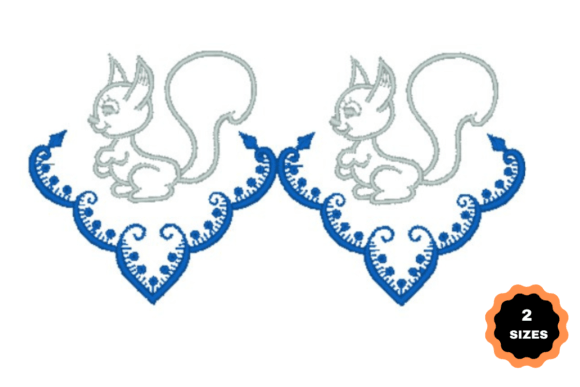
The first thing I noticed about Squirrel Border is its personality. The description calls it “adorable” and “lovely,” and those words fit perfectly. It has a playful yet crafted feel that immediately suggests handmade products, cozy shop branding, or nature-inspired merch. It is not overly cartoonish; rather, it carries a balanced, rustic charm that works beautifully for bakeries, florists, wild bird shops, children’s boutiques, and creative studios. This embroidery design avoids the trap of looking like a generic stock image. Instead, it feels intentionally drawn with small business branding in mind.
From a visual identity standpoint, Squirrel Border reads as friendly and approachable. It could become a signature detail on staff uniforms, product labels, or customer gifts. The border structure naturally frames a focal point—a business name, a tagline, or even a small icon. I see it working exceptionally well as an embroidered accent on apron hemlines, cap sides, or the flap of a branded tote bag.
Real Business Use: From Patch to Product Label
I rarely recommend a border design as a standalone logo, but Squirrel Border is versatile enough to serve multiple roles in a commercial embroidery lineup. Below are the strongest business applications I would immediately test for my clients.
- Embroidered Patches: This design is tailor-made for a custom patch. Stitch it on a sturdy twill base, add a heat-seal backing, and you have a ready-to-sell item or a premium add-on for packaging, hats, and jean jackets. The border structure defines the patch shape beautifully.
- Staff Uniforms and Aprons: Many small cafés and bakeries want embroidery that feels homegrown but still crisp. The Squirrel Border stitched across the bib of a cotton apron or the cuff of a work shirt delivers a soft, welcoming brand personality without screaming “corporate.”
- Cap Embroidery: Cap fronts can be unforgiving. I would place this border on the side panel or the back arch of a cap, not across the front seam. It creates an unexpected detail that customers notice, reinforcing brand recognition.
- Tote Bag Design: A canvas tote with the Squirrel Border tucked along the bottom edge or running vertically up one side becomes an instant boutique item. It pairs well with a small monogram or shop name in the center.
- Handmade Product Packaging Accents: Stitch the border on small fabric tags, ribbon ends, or reusable linen bread bags. It turns functional packaging into a branded experience that buyers love to share on social media.
- Etsy Branding and Event Merch: For an Etsy shop, a recurring embroidery file like this unifies product photography. Use it on order pouches, thank-you cards (with fabric accents), or limited-edition items at craft fairs.
In every case, the fact that the design comes with multiple embr variations—likely multiple sizes or formats—makes it practical for batch production. I always advise checking the file contents to see exact hoop sizes, but the flexibility is immediately valuable.
Critical Design Considerations for Professional Results
No review would be complete without addressing the technical side. As a designer, I must ensure that Squirrel Border performs on the machine and on the finished product, wash after wash.
Where You Must Test Before Committing
- Small Patch Sizes: If you scale this down for a sleeve logo or tiny label, watch the detail in the squirrel faces and leaf elements. Fine lines may close up, especially on fuzzy fabric. I strongly advise stitching a test sample at the intended size before bulk production.
- Curved Surfaces: Caps and sleeves have compound curves. A straight border can distort. You might need to adjust the digitizing or placement. I often create a paper template to check how the stitch path flows on a curved panel.
- High Stitch Density on Thin Fabrics: If the border has dense fill areas, a lightweight T-shirt or silky fabric may pucker. Use a quality cut-away stabilizer and test on the exact garment you plan to sell.
- Dark Uniforms and Contrast: The thread colors you choose dramatically affect readability. I always test Squirrel Border in black thread on white fabric first to understand the fundamental shape. Then I build a color palette that matches the brand but keeps clear contrast.
- Frequent Washing: Aprons and work shirts take a beating. Check if the design holds its detail after multiple hot washes. Pay extra attention to delicate outlines and thin connecting stitches that could break over time.
Practical Embroidery Designer Notes
Before offering this design to a paying client, I go through a standard checklist that I recommend for any digital embroidery file. Here’s exactly what you should do with Squirrel Border:
- Test in black and white first. A monochrome stitch-out reveals shape weaknesses, registration issues, or excessive density without the distraction of color.
- Check performance at small patch size. Run a sample at 2.5 to 3 inches wide. Look for lost detail in whiskers, eyes, or acorn textures. If it fails, restrict usage to larger placements.
- Review thread color contrast. Use a thread card against your actual fabric. Natural, earthy tones usually suit this design best, but a high-contrast border can make a bold modern statement.
- Inspect spacing and tie-offs. Zoom in on the digital preview. Are there jump stitches across open areas? Poorly placed trims can ruin the border flow.
- Confirm hoop size. The description says multiple embr options, so verify that the hoop required fits your single-head or multi-needle machine. Don’t assume your standard 4x4 hoop will work without checking.
- Test on real fabric. Canvas, denim, twill, cotton-poly blends—each behaves differently. Your stabilizer choice must match the fabric weight.
- Create a printable mockup for client approval. A mockup on a digital product image builds trust and prevents costly miscommunication. Always get sign-off before stitching on 50 aprons.
- Compare it beside other design assets. If this border is part of a brand kit, check consistency in style, stitch direction, and finish.
- Confirm commercial licensing. Since the product description does not specify terms, reach out to the seller and explicitly confirm that the embroidery file can be used on items for resale. Protect your small business from copyright claims.
How This Border Shapes Brand Identity and Customer Trust
When a customer sees a beautifully embroidered squirrel border on a tote bag or barista apron, they make split-second assumptions about your business. A clean, charming, well-placed embroidery design signals attention to detail, quality, and authenticity. It tells the story that you care enough to invest in your product presentation. Squirrel Border delivers that emotional impact without being overbearing.
Consistent use of this design across multiple customer touchpoints—merch, staff wear, packaging—builds visual consistency. That recognition translates to repeat buyers, higher perceived value, and a stable brand identity. I have seen small businesses use frame borders like this to unify disparate products, from soap bundles to coffee bags, under one recognizable mark. It acts as a quiet branding anchor.
The handmade feel also connects directly with buyers who seek artisan products. If you sell on Etsy or at weekend markets, the Squirrel Border can become the element that makes your booth stand out. Customers photograph those details and share them, turning your embroidery into free marketing.
Final Thoughts for Your Embroidery Business
After examining this digital embroidery file from every business angle, I can confidently say that Squirrel Border is a smart investment for small business owners who want to add personality and polish to their merchandise. It is not a basic, run-of-the-mill trim—it is a tool for branding. Whether you create embroidered patches, stitch custom apparel, or craft handmade products that need a distinctive accent, this design earns its place in your library.
Remember to treat every new file with professional respect: test, mockup, and clarify licensing. Once those steps are done, the creative possibilities with Squirrel Border are genuinely exciting. From a florist’s denim jacket to a pet boutique’s treat pouch, this design will give your fabrics an extraordinary look—exactly as promised—and help your small business merchandise feel as special as the products you sell.