The World's Most Important Telescope: A Review
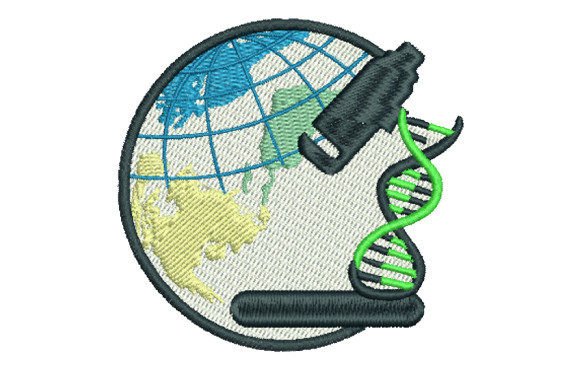
I sat down with my morning coffee and a stack of fabric swatches, ready to test The World s Most Important Telescope before committing it to my weekend craft fair lineup. The title grabbed me immediately, it sounds monumental, almost poetic. I had visions of a striking telescope silhouette, maybe some celestial details, the kind of design that makes a browser stop mid-aisle and lean in. Then I opened the description and paused. This is described as a microscope logo. A microscope, not a telescope. The description talks about scientists, medical pathogens, and examining tiny creatures. As an embroidery designer who has made plenty of listing mistakes myself, I smiled and decided to evaluate the design exactly as it is, because a microscope motif has real potential in the handmade market, even if the title carries a surprising twist.
First Impression At The Craft Fair Table
Walking into a craft fair booth, customers make snap judgments. They scan a table in three to five seconds, and anything that feels unclear loses their attention instantly. The World s Most Important Telescope, despite the naming confusion, delivers a design that reads as scientific, curious, and quietly intellectual. A microscope motif on a tote bag or tea towel communicates a love of discovery. I can see this appealing to science teachers, lab professionals, medical students, biology enthusiasts, and anyone who adores the nerdy-chic aesthetic that performs so well on Etsy. The design feels modern and slightly educational, not quite farmhouse, not quite minimalist, but occupying a smart middle ground that I would categorize as academic-inspired decor.
On a cream tote bag displayed upright on a stand, this design would catch eyes with its clean symbolic shape. A microscope is instantly recognizable even from six feet away, which is exactly what you want in a busy market hall. The boldness of the silhouette matters more than intricate detail when someone is walking past your booth. If the stitch work is solid and the outline crisp, The World s Most Important Telescope holds its own as a focal design.
Which Products Let This Design Shine Brightest
Through years of testing, I have learned that not every design suits every product. The World s Most Important Telescope has a logical, structured shape that benefits from flat, stable fabric surfaces. I would prioritize these items in my production queue:
- Tote bags – A smooth cotton canvas tote gives this design the perfect stage. The flat surface allows every detail to stitch cleanly, and science-themed totes sell consistently at markets and on Etsy.
- Aprons – A microscope on a kitchen apron sounds unexpected, but for a science-loving home cook or a lab-themed gift, this becomes memorable and conversation-worthy.
- Tea towels – Linen or flour-sack towels with a corner placement of this design create an understated, sophisticated product. Pair with a simple border stitch and the whole piece feels intentional.
- Pillow covers – A centered or off-set microscope on a neutral fabric pillow cover leans into the cozy-academic trend. Think library nook, home office, or a thoughtful gift for a graduating student.
- Fabric pouches – Small zip pouches with this design stitched on the front make excellent pencil cases, makeup bags, or lab supply organizers. The scale works well on a compact surface.
Designs That Need Extra Caution
Curved surfaces and highly textured fabrics present challenges. Caps and unstructured hats curve across the embroidery area, and a design with the vertical proportions of a microscope may distort near the seams. If you plan to offer The World s Most Important Telescope on caps, reduce the size significantly and use a sturdy stabilizer. Embroidered patches are another option, stitch the design on felt or twill, add a merrowed edge or a simple satin border, and now you have a versatile patch that customers can iron or sew onto jackets, backpacks, and lab coats. Patches give this design a second life beyond direct-to-garment embroidery.
How The Design Photographs For Online Listings
As an Etsy seller, I think about listing photos before I even hoop the fabric. The World s Most Important Telescope has strong graphic potential. A microscope silhouette photographs beautifully against light backgrounds, think natural linen, soft gray, or ivory. The contrast between the stitched lines and the fabric creates a thumbnail that reads clearly on a smartphone screen. For product photos, I would shoot one flat lay on a wooden desk with a vintage science book and a pair of glasses, and another lifestyle shot of the tote hanging on a coat hook near a white lab-style jacket. These visual cues reinforce the science theme and help the customer imagine the product in their own life.
If you use printable mockups for your Etsy listings, place this design on a crisp, wrinkle-free mockup template. Ensure the design rendering shows clean edges, because any blur in the mockup will make the embroidery look messy. A high-quality digital embroidery file paired with a believable mockup builds buyer confidence before the first sale.
Stitch Density And Small Detail Survival
Here is where I put my tester hat on. A design described as a microscope logo suggests defined lines, possibly a base, an arm, a stage, and an eyepiece. Each of those elements involves border stitches, filled areas, or both. The World s Most Important Telescope likely carries areas of dense stitch concentration where the body of the microscope meets the base or where the adjustment knobs sit. Dense stitching on lightweight fabrics puckers, and on textured towels, the definition blurs. I always test on a scrap of the exact fabric I plan to sell, using the stabilizer I intend to run in production. Skipping this step is the fastest way to waste an afternoon and a stack of blanks.
Small lettering, if the logo includes any text, becomes a critical concern. Lettering under a quarter inch tall risks turning into unreadable blobs on textured fabric or dark backgrounds. If the design file includes words, check the smallest characters at actual stitch size before ordering materials in bulk. The same caution applies to tiny creature details mentioned in the product description. If the design attempts to show the microscopic organisms being examined, those details may vanish at smaller scales. I recommend stitching a sample at the smallest hoop size you intend to sell and examining it under good light, just like the scientists this design celebrates.
Fabric And Thread Color Strategy
Light fabric gives this design its best chance. A microscope stitched in dark thread on a natural linen or cotton canvas creates the contrast that makes science-themed embroidery feel crisp and intentional. Dark fabric, especially black or navy, swallows detail unless you lighten the thread significantly. If you go with a dark background, consider a thread color like silver-gray, gold, or even a muted teal to maintain visibility. Thread colors should contrast enough that the eyepiece, stage, and base remain distinct from one another, because a microscope shape that blends into a single silhouette loses the storytelling element.
On textured towels, the looped surface fights against fine lines. I would increase the design size slightly for towel applications and use a topper to prevent stitches from sinking into the pile. The same principle applies to heavily textured aprons or canvas market bags with a coarse weave, the flatter the embroidery area, the sharper the result.
Booth Display Strength And Customer Engagement
At a busy craft fair, your booth competes with dozens of other tables. Products need to communicate their purpose quickly. The World s Most Important Telescope starts a conversation. A customer points at an embroidered tote and says, Is that a microscope? and suddenly you are talking about the design, the stitching quality, and the science-themed gift they need for their niece in medical school. That engagement moment matters more than any price tag.
I would group this design with other knowledge-themed products, perhaps a DNA helix towel, a beaker apron, or a stack of books pillow cover. Creating a small collection around an intellectual or academic theme strengthens brand consistency and encourages multiple-item purchases. A cohesive display signals professionalism and thoughtfulness to shoppers who value handmade quality.
Production Efficiency And Batch Considerations
From a production standpoint, The World s Most Important Telescope needs a stable workflow. I prioritize designs that can be reproduced consistently across multiple units without requiring constant adjustments. After the first successful test stitch, I note the exact hoop size, stabilizer type, thread brand, and tension settings. This reference sheet saves me time on reorder day or when I am prepping inventory the night before a market.
If the stitch density is high, factor in longer machine time per unit. A complex microscope with filled regions may take significantly longer than a simple outline design. For a weekend craft fair, I typically prepare eight to twelve units of each design across different product types. If The World s Most Important Telescope runs slower than my other designs, I adjust my production schedule accordingly, starting those units a day earlier so nothing feels rushed.
Commercial Use And File Considerations
Before selling any finished product featuring this design, confirm that the digital embroidery file includes commercial licensing that covers handmade finished goods sold at craft fairs and on platforms like Etsy. The product description notes this is a high-quality embroidery design, but it does not specify license terms, so contacting the digitizer or checking the product page for usage rights is a necessary step. I keep a folder of license confirmations for every design in my catalog, organized by designer name and purchase date. It protects my small shop and keeps everything transparent.
The design file itself, whether it arrives in PES, DST, EXP, or another machine format, should be tested on your specific machine before you invest in materials. Hoop size compatibility matters. A design that requires a larger hoop than your machine supports becomes an immediate bottleneck. Check those specifications before you click purchase, and always keep a test stitch sample pinned to your studio wall as a reference.
Real Talk On Craft Fair Selling Value
The World s Most Important Telescope may carry a mismatched title, but the microscope motif underneath holds genuine selling power. Science-themed handmade products tap into a passionate buyer base. Teachers buy for their classrooms, parents buy for curious kids, lab teams buy parting gifts for colleagues, and bookish shoppers buy things that make them feel clever. This design delivers on that emotional connection. It says, I value curiosity and I wear that proudly.
Pricing depends on the product. A tea towel with this design might sell comfortably at eighteen to twenty-four dollars at a weekend market. A sturdy canvas tote with a crisp stitch could go higher, especially if the booth display communicates quality. Embroidered patches, priced accessibly at eight to twelve dollars, move quickly and draw people into the booth for a closer look at larger items. Patch sales often lead to tote and pillow cover sales, so I always keep a small basket of science-themed patches right at the front edge of my table.
Does this design work for every seller? It works best for makers who understand their audience and who are willing to lean into the smart, curious, slightly nerdy aesthetic. If your brand skews purely toward florals and farmhouse script, The World s Most Important Telescope may feel out of place. But if your booth celebrates knowledge, discovery, and clever conversation starters, this design belongs front and center on a crisp linen pillow cover or a canvas market tote, stitched with precision and sold with pride.