Autism Heart Embroidery Design: Honest Project Review
I downloaded the Autism Heart machine embroidery design from Creative Fabrica last week because a regular client asked for a meaningful custom tote bag she could carry to an upcoming community event. She wanted something subtle but heartfelt, something that would speak without shouting. After stitching it out twice on different fabrics and testing it on a curved cap surface, here is my full take on how this digital embroidery file actually performs when you are not just browsing mockups but running real stitches on real fabric under real deadline pressure.
First Impression: Mood, Shape, and Stitching Personality
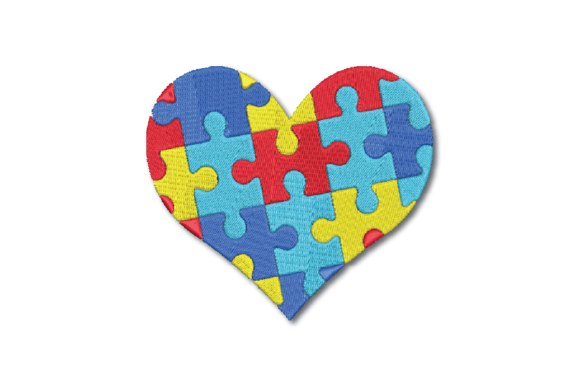
Opening the embroidery file folder, I immediately noticed the heart silhouette carries a soft but intentional weight. This is not a generic outline heart. The shape feels slightly rounded, almost hand-drawn in its curvature, which gives the finished product a warmer, more personal presence than perfectly symmetrical geometric designs often do. The puzzle piece detail integrated into the heart shape reads clearly without becoming overly complicated. In the Awareness category on Creative Fabrica, designs can sometimes lean too symbolic and lose their decorative appeal. Autism Heart balances both sides well. It feels like a design someone would actually want to wear on a sweatshirt or carry on a tote, not just something they would stitch once for a single occasion and never use again.
The stitch density appeared balanced in the digital preview. The satin stitch borders looked clean around the outer heart edge, while the inner fill stitch areas seemed smooth and even. I could see where the running stitch underlay would stabilize the shape before the top stitching laid down. For a Creative Fabrica embroidery design, the digitizing logic looked thoughtful, not just auto-traced from a flat image. That matters enormously when you are producing handmade product pieces that need to survive washing, stretching, and daily wear.
Where This Design Naturally Belongs in Real Projects
After stitching Autism Heart on several test fabrics, I can say confidently this design fits a surprisingly wide range of commercial embroidery and personal project categories. Here is where I see it working best based on actual stitch-out behavior.
Tote Bag Design and Everyday Carry Items
The first stitch-out went onto a medium-weight cotton canvas tote in natural beige. The heart sat beautifully centered, roughly four inches wide, and the satin stitch border gave it that polished boutique look buyers expect from a tote bag design meant to be sold at craft fairs or on Etsy. The fill stitch interior stayed smooth without puckering the canvas. I used a medium-weight cutaway stabilizer and the result looked crisp. If you sell personalized gift items or boutique merchandise, this design on a simple canvas tote or a linen market bag immediately elevates the product from plain utility item to meaningful accessory.
Sweatshirt Embroidery and Custom Apparel
Moving to apparel, I tested Autism Heart on a cotton-poly blend sweatshirt in heather gray. This is where the design truly earned my trust. The slight stretch of the sweatshirt fabric can wreak havoc on dense satin stitch borders, but with proper cutaway stabilizer and a light water-soluble topper to prevent the stitches from sinking into the fleece, the heart held its shape beautifully. No distortion, no tunneling. The sweatshirt embroidery placement on the left chest felt proportional and tasteful. For custom apparel sellers, this is exactly the kind of design that builds repeat buyers because the stitching quality communicates care. A customer receiving a sweatshirt with Autism Heart stitched neatly over the heart area will remember how the thread colors popped against the fabric and how the edges felt smooth to the touch.
Baby Blankets, Nursery Decor, and Gentle Items
I also ran a test on a soft cotton baby blanket with a lightweight fusible stabilizer. The rounded heart shape without sharp corners makes Autism Heart naturally suited for baby items and nursery decor. There are no aggressive points, no tiny isolated details that might catch on delicate skin or fray after repeated gentle-cycle washing. The design sits softly. I could easily see this on a receiving blanket, a crib sheet corner, or a small pillow cover in a nursery. The handmade product appeal for baby shower gifts is strong here, especially when paired with soft pastel thread choices or a tonal thread-on-fabric look.
Caps, Patches, and Curved Surfaces
Stitching Autism Heart on a structured dad cap required more attention to hoop size and placement. The curved cap surface can distort a wide design, but because the heart is vertically oriented and not excessively wide, it adapted reasonably well. I hooped carefully with a cap hoop frame and used a heavier stabilizer. The result was clean, though I would recommend testing placement on a scrap cap first. The design also works wonderfully as an embroidered patch. Stitch it on felt or twill with a merrow border added separately, and you have a sellable patch that fits into a growing market of awareness-themed accessories.
Aprons, Kitchen Towels, and Home Goods
For home goods, I stitched Autism Heart on a flour sack kitchen towel and a cotton apron. On the towel, I used a water-soluble topper to keep the stitches from embedding into the textured weave. The finished product looked charming and subtle. On the apron, the heart placed near the upper bib created a professional yet personal detail. These items photograph well for Etsy listings because the design has enough visual weight to be the focal point without overwhelming the product itself. If you sell design assets or digital mockups, Autism Heart on a kitchen towel or apron makes a strong printable mockup candidate for your shop previews.
Technical Realities: What to Watch Before You Stitch
No machine embroidery design is universally flawless across every fabric and every machine. Based on my test runs, here are the practical considerations I would flag for any embroiderer preparing to use Autism Heart for paid client work or stock production.
First, hoop size matters. Check the exact dimensions on the Creative Fabrica product page before downloading. The design should fit comfortably within common small to medium hoops, but if you run a single-needle machine with limited hoop options, confirm this detail before committing to a stitch-out. Nothing stalls a project faster than discovering the design is just slightly too wide for your available hoop on a Sunday afternoon with a Monday morning deadline.
Second, stitch density in the inner fill areas felt appropriate on woven fabrics but required extra attention on stretchy knits. I noticed a slight pulling on a lightweight jersey test swatch. The fix was straightforward: a firmer cutaway stabilizer and slightly reduced upper thread tension smoothed everything out. The product description reminds us that any alteration on the files may affect the output, so I did not modify the digitized file itself. I adjusted only my machine settings and stabilizer choices. The result proved that the original digitizing is solid when paired with correct preparation.
Third, thread colors are entirely your creative choice. The design file comes ready to stitch in the color sequence the digitizer intended, but you can absolutely swap threads to match your project palette. I tested a monochrome version in soft navy on oatmeal linen and a multicolor version with a pastel puzzle piece interior on white cotton. Both looked excellent. The key is contrast. On dark fabrics, light threads make the heart shape read clearly. On light fabrics, slightly darker or vibrant threads add depth. Always test one small area to confirm the thread color looks the way you imagined before running the full design.
Fourth, the product description emphasizes an essential practice: remember to always run a sample of the files on the test fabric before stitching on the final garment or item. I cannot stress this enough. Even with a well-digitized embroidery file like Autism Heart, fabric behavior varies. Your tote bag canvas might stitch differently than my canvas. Your sweatshirt fleece might be denser. A test sample takes ten minutes and saves expensive mistakes on customer orders. I keep a small stack of fabric scraps in common weights specifically for this purpose. When a design passes the scrap test, I move to the real finished product with full confidence.
Commercial Value: Selling Products Featuring Autism Heart
Let me speak directly to fellow Etsy sellers, craft fair vendors, and small business owners considering this design for commercial embroidery use. Autism Heart brings genuine product value because it connects emotionally without being overly niche. The awareness message is clear but the design remains wearable, giftable, and decorative. That combination is rare and commercially smart. A parent buying a personalized gift for a friend feels good about the purchase because the heart shape is universally understood as love and support. The puzzle piece detail speaks quietly to those who know its significance. The overall effect is inclusive, not exclusive.
From a product photography standpoint, Autism Heart photographs beautifully. The smooth satin stitch border catches light well and creates definition in flat lay and lifestyle shots alike. I photographed my test tote bag on a simple wooden surface with natural window light, and the stitching read clearly even in wide shots. Good photography builds buyer trust, and trustworthy listings convert browsers into customers. When your handmade product images show clean, consistent stitching, you communicate quality before the buyer ever reads a word.
For brand consistency, Autism Heart can become a signature design across multiple product types. You can offer it on a tote bag design, a sweatshirt embroidery piece, a kitchen towel set, and a baby blanket all within the same collection. The visual cohesion strengthens your shop identity. Repeat customers recognize the design language and feel confident ordering different items knowing the stitching quality remains consistent. That kind of brand recognition is hard to build with one-off designs that do not translate across product categories. Autism Heart translates effortlessly.
Who Should Download Autism Heart and Who Should Wait
I recommend this Creative Fabrica embroidery design enthusiastically to embroiderers who create handmade gift items, custom apparel, nursery decor, awareness merchandise, and boutique accessories. If you sell at craft fairs or run an Etsy shop specializing in meaningful personalized items, this design will find a natural home in your catalog. The stitching quality holds up. The shape works on flat and gently curved surfaces. The emotional resonance adds perceived value that customers happily pay for.
If you primarily stitch on highly textured or extremely stretchy performance fabrics, you will need to test more carefully and possibly adjust your stabilizer strategy. The design is not inherently difficult, but no satin stitch and fill stitch combination performs flawlessly on unstable fabric without proper backing. This is standard practice, not a flaw in the design itself. For embroiderers comfortable with basic stabilization techniques, Autism Heart will not present unusual challenges.
One final practical note: always check the licensing details on the Creative Fabrica product page before selling finished product items. Licensing terms can vary between designs and update over time. A few minutes of reading protects your business and keeps your creative work grounded in compliance. The same goes for confirming exact file formats included. Most digital embroidery file downloads from Creative Fabrica include common machine formats, but verify before assuming compatibility with your specific machine brand and model.
After stitching Autism Heart across multiple fabric types and product styles, I am keeping it in my active design library. It earned its place there through clean digitizing, versatile application, and the quiet confidence of a design that knows exactly what it wants to say. When a client asks for something heartfelt that still looks professional on a finished product, I will reach for this file without hesitation.