Believe Tree Embroidery: A Seller’s Honest Review
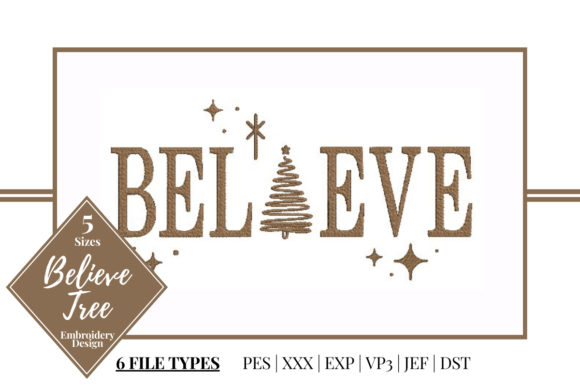
Every time I scroll through Creative Fabrica’s embroidery section, I’m hunting for designs that can earn their keep in a small shop or Etsy store. The Believe Tree design caught my eye because it promises a “stylish accent” for home decor, outfits, and accessories. That short description tells me it probably blends a tree silhouette with the word “Believe,” and since it sits in the Christmas category, I’m guessing we’re looking at a winter or holiday tree motif. But what matters most is how this design behaves on fabric, how it photographs, and how easily it can turn a blank tote or sweatshirt into something shoppers actually want. I’m going to walk through everything I’d consider before listing products made with Believe Tree, from visual personality to production realities.
First Impressions and Visual Personality
Based on the title and that simple description, Believe Tree feels like it’s aiming for a modern, slightly rustic, and sentimental vibe. The word “Believe” paired with a tree silhouette almost always leans into themes of hope, magic, and winter warmth. This isn’t a loud, cartoonish Christmas design. It’s more likely something elegant and minimal—the kind of embroidery that adds a soft, thoughtful accent rather than screaming for attention. I imagine it could complement neutral home decor really well, especially if stitched in earthy greens, soft golds, or creamy whites. Because the product description mentions that colors can be altered based on the threads you put in your machine, you’ve got a lot of room to play with the mood. A deep forest green on natural linen feels cozy and premium. A metallic gold or silver on a dark sweater turns it into a subtle statement piece. Even if the original sample image shows traditional Christmas colors, you aren’t locked into that. This flexibility can make Believe Tree work across seasons, not just December.
Where Believe Tree Could Shine in a Small Product Line
When I evaluate a machine embroidery design, I always think product-first. Believe Tree seems built for items that benefit from a clean, symbolic motif. Here’s where I’d likely test it first:
- Sweatshirts and hoodies – A small to medium placement on the left chest, or even slightly oversized on the back, could turn a plain crewneck into a bestseller. The design’s message is universally positive, so it crosses age groups.
- Tote bags and canvas pouches – A stitched tree with “Believe” on a natural cotton tote feels like a boho market staple. Pair it with a semi-sheer ribbon for craft fair displays.
- Kitchen towels and aprons – If the design isn’t overly dense, it could work beautifully on a flour sack towel. A winter kitchen towel with a petite Believe Tree in a corner adds just enough seasonal charm without being too kitschy.
- Baby blankets and children’s apparel – The word “Believe” carries a gentle, dreamy quality. Stitched on a soft knit baby blanket or a tiny onesie, it becomes a keepsake gift. I’d definitely test this on a baby embroidery project—maybe in pale blue or blush pink thread.
- Pillow covers and home decor – An 8x8 or larger hoop size could center this design on a throw pillow cover. Pair it with linen or velvet for a high-end boutique look. It’s the kind of item that photographs beautifully for Etsy thumbnails.
- Embroidered patches – If the design file doesn’t contain tiny floating details that are easily lost, you could even create standalone patches. Customers love iron-on or sew-on patches to customize denim jackets, backpacks, or hats.
- Caps and beanies – A scaled-down version might fit nicely on a dad cap or folded beanie. I’d stitch it out small first to check readability.
Why Shoppers Gravitate Toward This Style
There’s a reason tree and word art designs perform so well in Etsy seller shops. They tap into emotions. A personalized gift doesn’t have to include a name—sometimes a single meaningful word like “Believe” makes a present feel handpicked. When a buyer sees this design on a tote bag design or a sweatshirt embroidery mockup, they immediately picture gifting it to a new mom, a teacher, a friend going through a tough season, or a Christmas hostess. That giftability factor drives impulse purchases, especially when the price point is right.
From a photography standpoint, designs with clean lines and a recognizable silhouette look more professional in listing photos. A busy embroidery can get lost in a thumbnail, but something like Believe Tree likely has enough white space or negative area to stay sharp and legible even when viewed on a phone. That can directly improve click-through rates. It also simplifies your mockup process—whether you’re using printable mockup tools or photographing real products, a clear design makes the whole image feel calmer and more intentional.
Product Planning and Seasonal Strategy
Because this is listed in the Christmas category, the obvious move is to launch a seasonal collection around October or November. But I wouldn’t limit myself. If you shift thread colors to soft ivy greens and warm creams, Believe Tree becomes a year-round “woodland” motif. You could create a spring line with pastel blossoms added (by layering appliqué or using variegated thread) and still keep the core design. That kind of versatility is golden for a craft business that needs to maintain inventory momentum between holidays.
I’d also think about bundles. For example, stitch Believe Tree on a kitchen towel, pair it with a wooden spoon, and sell it as a “winter baking gift set.” Or create a matching set of a baby onesie, a burp cloth, and a small muslin swaddle with the design placed differently on each piece. These coordinated listings help raise average order value and make your shop look more polished.
Practical Stitching and Production Considerations
Now, the part that really matters before you invest time and materials: the technical reality. The product description for Believe Tree doesn’t give stitch count, dimensions, file formats, or recommended hoop size. That means you absolutely must check the Creative Fabrica embroidery product page to confirm those details before purchasing. I can’t stress this enough—assumptions lead to wasted stabilizer and frustration.
Once I have the real numbers, here’s what I test:
- Stitch density and fabric friendliness – A design that’s too dense on a lightweight T-shirt will pucker and feel stiff. Test on scrap cotton, fleece, and linen. If it feels too heavy, you might need to adjust machine tension or use a topper, but you can’t change the base density. If the original is too dense for delicate fabrics, I’d limit it to sturdier bases like canvas or denim.
- Hoop size – The design needs to fit comfortably within your most-used hoops. If it requires a jumbo hoop you don’t own, that’s an extra investment. I prefer designs that can be scaled slightly within my software without distorting details. Check that the embroidery file formats available are compatible with your machine.
- Readability at small sizes – The word “Believe” is central. If scaled down for a baby onesie or a cap, the text might close up or lose definition. I’d stitch a miniature test to see if the letters remain clear. If not, you’ll know to keep it at a certain minimum size.
- Stabilizer and backing choices – For tote bags and sweatshirts, a medium-weight cutaway stabilizer usually works. For kitchen towels, I lean toward a no-show mesh to keep the back soft. If you plan to sell finished items, a clean back matters more than you might think. Buyers notice threads and rough backs on gifts.
- Color mapping – Since colors can be altered, I’d open the file in my embroidery software and see how many color stops exist. Fewer stops mean faster stitch-outs and less thread changing, which is great for batch production. But too few can make the design look flat. I’d experiment with two or three thread colors that give a soft gradient effect, like using a variegated tree trunk or ombré leaves.
Commercial Use and Creative Fabrica Licensing
As a small shop owner, you need clear commercial rights. The product description doesn’t spell out the license type, so check the Creative Fabrica commercial embroidery terms on the design’s page before selling any finished product. Typically, a standard Commercial License or an extended one permits you to stitch on items for sale, but there may be limits on quantity or whether you can sell digital transfers. I never assume. For Etsy sellers creating physical goods like custom apparel or home decor, a standard license often suffices, but if you plan to sell embroidered patches online in high volume, dig into the details.
Making Your Listings Stand Out with Believe Tree
Once you’ve tested and approved the design, think about how to present it in your shop. The name “Believe Tree” already has keyword potential. Incorporate it naturally into your Etsy titles, but also use descriptive phrases shoppers actually type: “embroidered Believe sweatshirt,” “woodland tree embroidery tote,” “Christmas tree Believe gift.” Pair the design with props that reinforce the mood—pinecones, twinkling fairy lights, a steaming mug—and you instantly signal “cozy gift.” If you offer personalization options like adding a date or a short name, you significantly broaden your buyer pool.
For social media, social media previews showing the stitching process or a close-up of the texture can drive traffic. A reel of a Christmas-themed towel being embroidered at the machine with a holiday playlist in the background does surprisingly well. Because the design is likely clean and not overly complex, it will film well even under a phone camera.
The Bottom Line: Is Believe Tree Worth Adding?
Based on what the title and description suggest, Believe Tree has strong potential for sellers who want a versatile, emotionally resonant design that can adapt to multiple product types. It feels like it falls into that sweet spot between “seasonal” and “evergreen” if you’re clever with thread choices. It’s not a risky, niche design that will only appeal to a tiny audience. The word “Believe” carries universal appeal, and a tree motif is classic enough to fit rustic, minimalist, or elegant handmade product lines. The main unknowns—stitch count, exact dimensions, hoop size, and precise file compatibility—mean you need to do your homework on the Creative Fabrica page before buying. But if those technical details align with your equipment and fabric preferences, I can easily see Believe Tree becoming a quiet workhorse in a small embroidery-based shop, spinning out tote bags, pillows, baby gifts, and seasonal decor that feel thoughtful and well-made. As always, stitch a sample, photograph it honestly, and let your customers see exactly why this little tree might be just what they need to believe in handmade.