Christmas Tree with Lettering Merry Christmas Review
Adding a new machine embroidery design to a seasonal collection always starts with a gut check. Will it delight a buyer in those three seconds they scroll through a listing? Will it stitch out cleanly on the blanks my shop already stocks? The Christmas Tree with Lettering Merry Christmas design landed on my test screen last week, and after running it through a full product-mockup session and a few stitch-outs, I have a clear picture of where it fits into a holiday product lineup. This is not just a pretty tree. It is a design that immediately gives off a warm, nostalgic, and slightly playful energy—the kind that makes shoppers imagine it on a matching family sweatshirt set or a kitchen towel hanging by the stove.
First Impressions and the Seasonal Mood
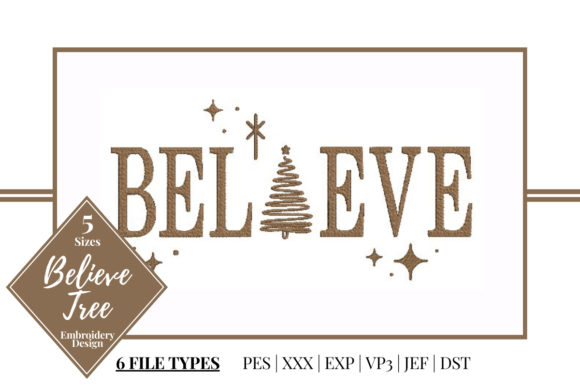
Right away, the artwork reads as cozy and handcrafted. The tree silhouette has gentle curves, not overly formal or minimal. The lettering “Merry Christmas” sits in a balanced relationship with the tree, neither overwhelming the branches nor feeling like an afterthought. This harmony matters for holiday embroidery because the design has to feel complete at a glance. A customer buying a tote bag design or a pillow cover wants the whole scene to read as a finished statement. This design achieves that with a classic festive tone—think warm cocoa mugs and twinkle lights rather than glitter overload. It lands in that sweet spot where it feels both nostalgic and current, suitable for a rustic farmhouse kitchen towel as well as a bright red sweatshirt for Christmas morning.
Texture plays a big role here. The tree’s branches use solid fills and some open spaces that create a stitched, dimensional look even before the needle hits the fabric. The lettering appears well-proportioned for mid-size hoops, which immediately makes this a candidate for sweatshirt embroidery and kitchen towel embroidery where legibility is non-negotiable. Emotionally, the design calls up the comforting side of the season—family, giving, slow mornings—which is exactly what moves a browser to become a buyer during the holiday shopping window.
Real Product Applications: Where It Sells
When I evaluate a seasonal embroidery file, I mentally place it on the blanks my clients and my own small shop use most. This Christmas Tree with Lettering Merry Christmas design immediately showed strong potential on seven key product categories that drive consistent holiday revenue:
- Sweatshirts and crewnecks for family matching sets and limited-edition drops. The balanced composition works centered on the chest without needing additional text or frames.
- Kitchen towels as giftable hostess presents. The design’s moderate density avoids turning a flour-sack towel into a stiff panel, especially when paired with a lightweight cutaway stabilizer.
- Tote bags for teacher gifts, Secret Santa exchanges, or market-day shopping. A natural canvas tote with this stitched tree becomes an instantly reusable, branded-looking accessory.
- Pillow covers for hearthside decor. Imagine a cream linen cover with a deep forest green tree—minimal effort, maximum seasonal impact.
- Aprons for the holiday baker. The design’s cheerful lettering makes it perfectly suited for a half-apron that becomes part of the Christmas morning cooking ritual.
- Ornament blanks or small fabric pennants that can be hung on a tree or garland. When stitched at a smaller size, the design still retains readability if the lettering is not pushed below its minimum threshold.
- Patches for jackets, backpacks, or denim vests that want that homemade holiday flair.
For Etsy sellers and craft fair vendors, this design also shines in bundle presentations. Group a finished towel with a matching set of stitched coasters, photograph them together with a few sprigs of pine, and you have a listing that feels curated rather than single-and-done. The design’s strong thematic identity—a tree with clear holiday lettering—makes it easy to create a cohesive product line that shoppers recognize as a “collection.”
How It Performs in Selling Situations
Over the years, I have learned that a digital embroidery file does not sell itself. It needs to look compelling in mockups, show versatility in listing photos, and genuinely appeal to the emotional reason someone clicks “add to cart.” The Christmas Tree with Lettering Merry Christmas design excels in three critical selling contexts.
First, social media previews. A clean photograph of this design stitched on a soft oatmeal-colored sweatshirt, with a cup of tea and a spool of red thread in the frame, tells a story before the caption is even read. The design’s warmth does the heavy lifting. Second, gift bundles. Every year, I see shops do well by pairing a personalized embroidery item with a candle or a handwritten note. Because this design already includes the greeting, the item itself becomes a card of sorts—perfect for the hurried shopper who needs a present that feels personal without custom text. Third, craft fair displays where the design’s bold yet cozy presence stops a passerby. Under indoor show lighting, the stitched tree pops, and the lettering invites people to step closer and touch the fabric. That tactile moment often closes the sale.
Using the Design Carefully: Hoops, Fabrics, and Thread
No design works everywhere, and part of responsible design reviewing is pointing out the edges. This embroidery file likely comes in a set of standard sizes, but you must confirm the smallest offered hoop size is actually stitchable with the lettering intact. Tiny text can close up or lose definition on napped fabrics like thick flannel or fleece. For stretchy garments such as lightweight jersey tees, a no-show mesh stabilizer and a light topping will keep the tree’s outlines crisp without distorting during wear. When testing on dark fabric, especially black or navy, consider using a slightly brighter green thread or adding a subtle underlay stroke so the tree doesn’t disappear into the background. Metallic threads can elevate the lettering’s sparkle, but only if your machine handles them well and you’re stitching on a stable woven base.
I’d also avoid using this design on heavily textured towels with deep loops if the lettering height drops below a quarter inch. The loops will swallow the thread definition. Instead, reserve those looped towels for larger-scale versions and opt for flat-woven kitchen towels for smaller stitch-outs. For items that will face repeated washing, like a daily-use coffee mug cozy or a child’s Christmas pajama shirt, pre-wash the fabric, use polyester thread for colorfastness, and always press the finished piece to set the stitches before packaging.
Seasonal Appeal and Buyer Psychology
Holiday shoppers operate on emotion first, practicality second. A design that explicitly reads “Merry Christmas” triggers instant recognition and shortens the decision time. The Christmas Tree with Lettering Merry Christmas capitalizes on this by being a complete message. There’s no need for the buyer to imagine adding a name or date, though that option can be offered as a premium upgrade. For a small shop product, this ready-to-use greeting increases the perceived value—the item feels like a finished gift, not a craft project that needs extra steps.
This design also supports brand consistency. Using it across multiple product types lets a seller build a visual holiday signature. A customer who sees a tote bag with this tree on Instagram might later buy the matching kitchen towel at a craft fair because the design feels familiar and trusted. The stitched texture itself communicates quality and care, which directly enhances customer trust and encourages repeat holiday purchases year after year.
Designer Notes from the Stitch Room
Before you add the Christmas Tree with Lettering Merry Christmas to your shop library, here are the practical checks I recommend every embroidery designer run through. These come from real stitch-outs and not just on-screen admiration.
- Test thread colors on both light and dark swatches. The tree’s green may look vibrant on cream fabric but muddy on olive. Keep a set of swatches ready in your most popular blanks.
- Check the stitch density. Run a test on the thickest and thinnest fabric you plan to offer. If the design feels board-like on a light cotton lawn, you may need to adjust underlay or offer a lighter-density version.
- Verify hoop size compatibility. Print the provided templates and physically test fit on all blank sizes you stock. Nothing derails a production run like finding out the design barely fits the smallest hoop your assistant uses.
- Use the right stabilizer. For knit garments, a fusible poly mesh gives stability without adding bulk. For woven towels, a tear-away with a water-soluble topper prevents the stitches from burying into the pile.
- Create realistic mockups. Photograph the actual stitched sample on a real person or a styled flat lay. This builds listing confidence and reduces returns from mismatched expectations.
- Inspect small lettering after every tenth stitch-out. Any needle dullness or thread tension drift can turn a crisp “r” into a blob. Catch it early.
- Plan a matching color palette. Decide if you want the tree in classic green, snowy white, or even a retro pink and teal version for a different customer segment. Having palette options can double the design’s usefulness.
- Confirm commercial licensing. Always double-check that the digital embroidery file allows for commercial use on finished products for sale. The product description should clarify this, and if not, reach out to the supplier before mass-producing. The description for this design notes that it “comes wi”—probably indicating it comes with multiple formats—but you should verify the exact file types and any use restrictions.
Bringing It All Together for Your Holiday Collection
After a full evaluation, the Christmas Tree with Lettering Merry Christmas earns a strong place in a seasonal product lineup aimed at gift buyers and home decor enthusiasts. It offers the kind of emotional warmth that makes a handmade gift stand out against mass-produced alternatives. For a shop focused on personalized gift potential, you can easily stitch this on a set of stockings, add a name separately, and present it as a custom family set. For the small shop product maker who wants to drop a limited holiday collection, this design works across enough blanks to create a cohesive line without looking repetitive.
Pick a few core products—say, a sweatshirt, a linen pillow cover, and a sturdy tote bag—stitch them out with care, and photograph them together under warm, natural light. That single image will communicate everything: the texture, the seasonal cheer, the readiness to be gifted. In a holiday selling season where time is tight and buyer attention is even tighter, this design does the storytelling for you. And that, from an embroidery professional’s perspective, is exactly what a well-chosen holiday embroidery file should do.