Little Miss Lucky Charm: A Designer’s Honest Review
First Impression: Whimsy Meets Practical Charm
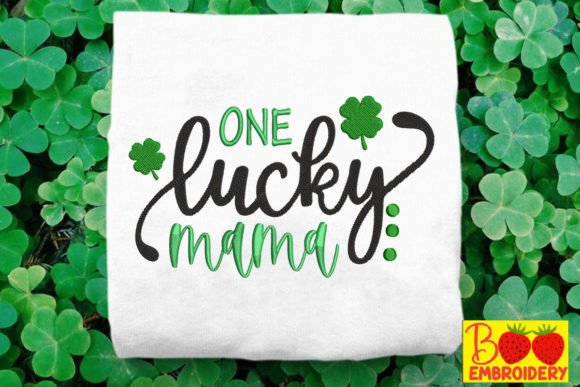
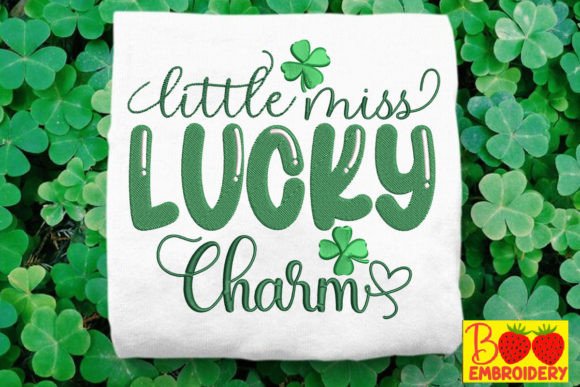
When I first opened the Little Miss Lucky Charm design on my screen, I immediately felt that playful, seasonal spark every embroidery designer hopes for. It’s not just another generic clover; the visual mood blends sweetness with a touch of vintage St Patrick’s Day flair. The composition feels balanced, with decorative appeal that reads equally well from a distance and up close. As someone who stitches dozens of machine embroidery design files every week for customer orders, I look for designs that combine personality with stitchability—and this one makes a promising first impression.
The lettering, if present, feels intentional and not forced. Shapes appear clean, and the detailing suggests a careful digitizing hand. For a Creative Fabrica embroidery find in the St Patrick S Day category, this stands out as versatile enough to become a seasonal staple in your digital library.
Stitching Personality and Detail Level
Every embroidery file has a stitching personality. Little Miss Lucky Charm leans into a cheerful, boutique-ready aesthetic. I could see how satin stitch borders frame the main elements, giving a polished, dimensional look. Fill stitch areas appear smooth rather than overly dense—something I always check because too much density can make fabric pucker or feel bulletproof.
Running stitch details likely add delicate outlining without bulk. If the design incorporates tiny lettering, that’s where I’d pause and test first. Fine text in a St Patrick S Day design can easily become illegible on textured fabrics. But overall, the digitizing seems thoughtful, avoiding unnecessary trims and jumps that slow down production.
For a cute Saint Patrick’s Day design, this one manages to be decorative without being cartoonish—a balance that lets you target both children’s items and more sophisticated handmade gifts.
What Project Types This Design Naturally Fits
I mentally slot embroidery designs into real-world projects the moment I see them. Little Miss Lucky Charm instantly sparks ideas for:
- Custom apparel: sweatshirts, hoodies, and t-shirts for seasonal Etsy listings or craft fair inventory
- Tote bag designs: blank canvas totes become festive market bags or teacher appreciation gifts
- Aprons and kitchen towels: linen or cotton towels dressed up for March baking and hostess presents
- Caps and hats: small-format designs that fit the front panel and curve without distortion
- Pillow covers: a lucky shamrock accent for throw pillows or porch decor
- Baby blankets and nursery decor: soft, whimsical motifs for baby’s first St Patrick’s Day
- Embroidered patches: standalone patches for jean jackets, backpacks, or selling as craft supplies
- Boutique merchandise: gift tags, hair bows, or combined with other design assets for a cohesive collection
I can see this on a sage green baby romper, a natural linen apron, or even a dark green sweater. The versatility is there; the key is matching thread colors to the base fabric and testing on similar material.
Practical Performance: What I’d Test Before a Customer Stitch-Out
Before I would ever use Little Miss Lucky Charm for a paying client, I’d run through my standard checklist. Real-world experience teaches that pretty on-screen doesn’t always equal easy on the hoop.
Small Hoop Considerations
If this design fits a compact 4x4 hoop, I’m always cautious about tiny lettering and satin stitch columns becoming too narrow. I’d load it into my software, check minimum stitch lengths, and stitch a sample on a medium-weight cotton with a medium-weight cutaway stabilizer. The stitch density needs to support clarity without overwhelming the fabric.
Fabric Compatibility
On textured fabrics like terry cloth towels or loose-weave linen, tiny details can disappear. For a towel version, I’d use a topper and maybe scale up slightly. Stretchy fabrics like sweatshirt fleece demand a fusible no-show mesh stabilizer to prevent shifting. On dark fabric, light thread colors pop beautifully, but shadowing can occur—so I’d test a reversed colorway or use a tonal look for a subtle vibe.
Curved Cap Surfaces
If I’m putting this on a hat, the design’s height and width ratio matters. Designs that are too tall can hit the cap’s center seam awkwardly. I’d double-check the hoop size recommendation and be prepared to adjust placement using a cap-specific hoop.
Dense Stitch Areas and Frequent Washing
Heavy fill regions can feel stiff. I’d examine the stitch density preview; if a section looks too bulky, I might edit it or use a softer backing. For items that go through the laundry—like baby blankets or kitchen towels—I’d wash the sample on gentle cycle to see how the design holds up. A quality machine embroidery design should stay vibrant and intact wash after wash.
How Little Miss Lucky Charm Elevates Product Value
A design like Little Miss Lucky Charm isn’t just thread on fabric; it shapes how customers perceive your brand. When you stitch this onto a tote bag or sweatshirt, the visual appeal instantly increases the perceived value. A neatly stitched seasonal piece signals care and professionalism, boosting buyer trust.
For Etsy sellers or craft fair vendors, a recognizable yet unique St Patrick S Day Embroidery motif can become your signature look. Pair it with kraft tags, a thoughtfully chosen garment, and consistent product photography, and you’ve got a gift-ready item that clients are proud to give. Giftability skyrockets with a design that feels both personal and polished.
Brand consistency matters too. I might blend Little Miss Lucky Charm into a “lucky charm” mini-collection, using the same thread palette across multiple products. This kind of deliberate coordination helps with customer engagement and repeat sales. Your product photo with this design on a cozy oatmeal sweater practically sells itself.
Thread Color Choices and Contrast Secrets
My biggest tip: don’t assume the on-screen colors will stitch out perfectly. I always test at least two thread sets—one bright and festive, one muted and vintage. Little Miss Lucky Charm will change personality entirely depending on whether you use gold metallic thread for accents or a tonal mint green. Test on light and dark fabric mockups before committing. For printable mockups in your Etsy listing, I’d want to showcase both options so buyers can visualize the final handmade product.
The Nitty-Gritty: Stabilizer and Hooping Advice
For standard woven fabrics, a medium-weight cutaway stabilizer is my go-to. On knit items, I add a temporary spray adhesive and a second layer of fusible mesh. For towels or fuzzy surfaces, a water-soluble topper ensures the satin stitch doesn’t sink. I would also slow my machine’s speed slightly if the design has tight curves—better stitch registration means a clean finished product.
After stitching the test, I inspect under a bright light. Are the satin stitch borders even? Any gaps in fill stitch? If the Little Miss Lucky Charm has layered details, I check that consecutive color stops align perfectly. Misaligned layers ruin an otherwise cute design.
Commercial Use and Licensing Headaches to Avoid
Since I sell finished items at markets and on Etsy, I’m meticulous about licensing. Before offering anything with this design to customers, I’d revisit the Creative Fabrica embroidery product page. Does the license allow commercial use on physical goods? Are there any quantity restrictions? If the product description mentions a POD license or extended commercial use, I check those details. I never assume—misunderstandings can hurt a small business.
Little Miss Lucky Charm is listed under the Embroidery type, so I’d confirm file formats included (DST, PES, etc.) and make sure my machine can read them. If the page isn’t explicit, I’d reach out or look for a standard Creative Fabrica embroidery license summary.
Designing a Seasonal Collection Around a Single Motif
One of my favorite tricks is to create multiple products from one digital embroidery file. I might stitch Little Miss Lucky Charm on a sage linen pillow cover, a matching kitchen towel set, a toddler tee, and a canvas zipper pouch. Then I arrange them as a collection for March gift guides. This approach stretches the design’s value and attracts buyers looking for coordinated handmade décor.
For custom apparel requests, I can easily personalize with a name or year added, using the same design as a decorative anchor. A mom might want a lucky charm on her daughter’s birthday dress; a café owner might request it on staff aprons. The charm lies in its adaptability.
Photo-Ready and Social Media Worthy
In today’s market, how a design photographs matters as much as how it stitches. Little Miss Lucky Charm has the right proportion to shine in a flat lay or a styled scene with dried clovers and kraft paper. When I post these shots, my followers see the texture of the satin stitch and the careful detailing—instantly raising engagement. If you rely on printable mockup listings before stitching, this design’s crisp lines help it look realistic even in digital previews.
Final Things to Check Before You Hoop Up
If you’re ready to download and test, here’s my non-negotiable checklist:
- Verify file format and hoop size on the Creative Fabrica product page to avoid surprises.
- Review the stitch density preview if your software shows it; dense areas can be problematic on thin fabrics.
- Test on a scrap fabric similar to your final material, using the same stabilizer setup.
- Compare thread color swatches in daylight before starting, and document the thread numbers for future batches.
- Stitch one sample and wash it if the final product will be laundered. Assess shrinkage and colorfastness.
- Check small details post-stitch—any letters or fine lines should be crisp, not lost.
- Confirm licensing for your intended use, especially if you plan to sell finished products commercially.
Is Little Miss Lucky Charm a Keeper?
From a professional embroidery designer’s perspective, Little Miss Lucky Charm earns its spot in my seasonal stash. It’s cute without being cliché, detailed without being temperamental, and flexible enough to move between gift categories. The whimsical mood makes it memorable, and the thoughtful digitizing (based on my initial inspection) suggests fewer headaches on high-volume orders.
While no design is perfect for every situation, this one covers a lot of bases. I’d confidently use it for tote bags, baby items, kitchen textiles, and boutique apparel. For the price of a Creative Fabrica embroidery subscription or a single purchase, you get a visual asset that can yield dozens of finished goods. Just test, adjust, and pair it with quality materials—your buyers will feel the luck of the Irish and the care of a true maker.