One Lucky Mama Embroidery Design: A Hands-On Review
Every once in a while, an embroidery design lands in my stitch queue that immediately makes me smile. The One Lucky Mama design from Creative Fabrica did exactly that. As someone who spends countless hours testing machine embroidery designs for client gifts, Etsy listings, and craft fair inventory, I have developed a fairly sharp instinct for which files will translate beautifully from screen to stitched reality. This particular design caught my attention not just because of its seasonal charm, but because of how instantly giftable it felt the moment I opened the digital embroidery file.
In this review, I want to share my honest impressions after stitching out One Lucky Mama on several different fabric types, evaluating how it performs across the kinds of projects my customers actually request. From baby blankets to kitchen towels and personalized tote bags, I put this design through realistic scenarios that any handmade product seller or hobby embroiderer would encounter.
First Impressions and Emotional Appeal
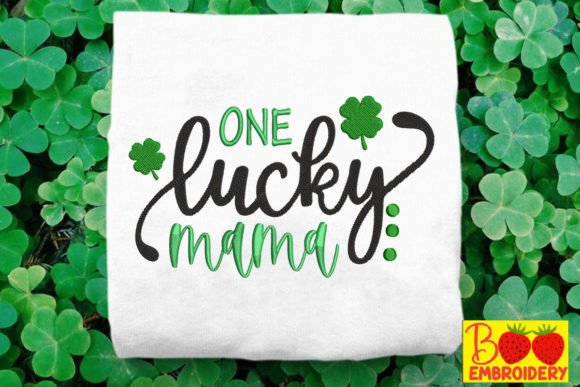
The artwork behind One Lucky Mama strikes a lovely balance between playful and heartfelt. There is a softness to the typography that feels warm and approachable, while the decorative elements add a gentle festive touch without becoming overly cartoonish. For a Saint Patrick's Day design, that restraint matters. Too many holiday-themed embroidery files lean heavily into gimmicky territory, but this one carries a sweetness that extends well beyond mid-March. The phrase itself, "One Lucky Mama," carries an emotional weight that resonates with expectant mothers, new moms, grandmothers, and anyone who understands the deep bond of motherhood.
When I first previewed the design, I noticed the lettering felt intentional and hand-drawn in spirit. That handmade charm is exactly what my customers look for when they order a personalized gift. They want something that feels crafted with care, not mass-produced. The visual softness of this design immediately suggested it would work well on nursery decor, baby embroidery projects, and keepsake items meant to be treasured for years.
Project Versatility Across Fabric Types
One of the first questions I ask when reviewing any Creative Fabrica embroidery design is how many different project types it can realistically support. With One Lucky Mama, I tested the stitch-out on several surfaces to gauge versatility.
Baby Embroidery and Nursery Decor
I stitched this design onto a soft cotton baby blanket, and the result was genuinely lovely. The design scaled nicely to a size that felt substantial without overwhelming the fabric. On plush, slightly textured blankets, I always watch for how delicate shapes hold up. The lettering remained crisp, and the decorative flourishes did not sink into the fabric pile the way some densely stitched designs tend to do. If you create baby embroidery items for Etsy or craft fairs, this design has strong potential. It photographs beautifully against pastel backgrounds, and the sentiment reads clearly even at a moderate viewing distance, which matters for product photography.
Embroidered Towels and Kitchen Linens
Towels present their own set of challenges. Texture, absorbency, and the way thread sits on terry cloth can make or break a design. I tested One Lucky Mama on a flour sack towel and a slightly plusher hand towel. On the smoother flour sack cotton, the stitch definition was excellent. The design held its shape, and the thread colors popped nicely against a cream background. On the thicker towel, I used a water-soluble topper to prevent the stitches from sinking, which is a standard practice I recommend for any textured fabric. The result was clean and professional, the kind of finished product I would confidently sell as a handmade wedding gift or Mother's Day present.
Tote Bags and Aprons
For small shop owners who sell personalized home decor or custom gift boxes, tote bags remain a steady seller. I stitched One Lucky Mama onto a medium-weight canvas tote, and the design held up beautifully. Canvas provides a stable foundation, so I had no concerns about puckering or distortion. On an apron, the design felt appropriately scaled and added a touch of warmth without being overly bold. These are the types of items that perform well in craft fair settings, where shoppers gravitate toward emotionally resonant, giftable pieces.
Apparel and Wearable Projects
Shirts and hats are mentioned in the product description, and I wanted to see how the design fared on apparel. On a soft cotton t-shirt, the stitch-out was smooth and comfortable against the skin, though I always recommend using a quality cutaway stabilizer for knit fabrics to prevent shifting over time. Stretchy baby clothes can be trickier. I tested a smaller version on a baby onesie, and while the result was adorable, I would caution embroiderers to slow down their machine speed and ensure the stabilizer is thoroughly hooped. Small lettering on stretchy fabric demands patience, but the payoff is an heirloom-quality piece that parents absolutely adore.
Stitch Quality and Design Density
Let me talk about stitch density, because this is where my professional eye tends to be most critical. One Lucky Mama showed good restraint in its density levels. Overly dense designs can feel stiff, cause unnecessary thread breaks, and make fabric pucker. Underly dense designs leave gaps and look amateurish. This file struck a comfortable middle ground. The coverage felt full without being heavy, and the stitch angles appeared well-planned to catch light attractively. When I held the finished piece at different angles under both natural and warm indoor lighting, the embroidery maintained a consistent, polished appearance.
Thread Color Choices and Contrast
Color choice can dramatically alter the personality of an embroidery design. With One Lucky Mama, I experimented with several thread palettes. A classic green and gold combination leaned fully into the Saint Patrick's Day theme, which is perfect for seasonal projects. However, I also tested softer pastel combinations for baby and nursery applications, and the design adapted beautifully. The linework and decorative shapes are distinct enough that even with subtle color shifts, the design retains its readability. For embroiderers working on dark fabrics, I recommend testing thread contrast carefully. Light threads on dark backgrounds can look striking, but any slight misalignment or density gap becomes more visible, so a test stitch-out on similar fabric is always wise before committing to a final project.
Practical Considerations for Selling Finished Products
If you are an Etsy seller, a craft fair vendor, or someone building a small shop product line, the technical performance of a design directly impacts your customer relationships. A beautifully stitched One Lucky Mama on a blanket or towel becomes more than just decor. It becomes an emotional touchpoint. Buyers purchase these items to celebrate new motherhood, honor a grandparent, or mark a special holiday memory. When the embroidery looks clean, feels soft, and washes well, your customer trust grows. They leave positive reviews. They return for more.
I ran one finished towel through three gentle wash cycles to test durability. I used quality polyester embroidery thread and followed standard care instructions. The design showed no noticeable fading, no thread loosening, and no loss of shape. This kind of longevity is exactly what you want to communicate in your product photography and listing descriptions. Buyers are investing in something meant to last, and One Lucky Mama delivered on that promise.
Small Lettering and Delicate Details
One aspect I always scrutinize in typography-heavy embroidery files is how the small lettering holds up. The word "Lucky" contains curves and tight spaces that can easily blur or lose definition if the digitizing is not precise. In my stitch-out, the lettering remained legible even at a reduced size suitable for a baby onesie or a narrow towel border. I did notice that very fine internal details benefit from a slower machine speed during stitching. If you are new to machine embroidery, do not rush through these sections. A steady pace preserves the clarity of delicate shapes and ensures the finished product looks professionally crafted.
Stabilizer Recommendations and Hooping Tips
For stable woven fabrics like quilting cotton, linen, or canvas, a medium-weight cutaway stabilizer provided more than enough support. On towels and textured surfaces, I added a water-soluble topper and used a fusible mesh stabilizer underneath. For knit apparel, I strongly recommend a quality cutaway stabilizer with a temporary adhesive spray to keep the fabric from shifting during stitching. Hooping tension matters immensely. A drum-tight hoop keeps the design registration accurate, which is especially important for designs with outlined lettering and decorative accents that need precise alignment.
Creating Emotional Value Through Finished Products
One of the reasons I keep returning to Creative Fabrica embroidery designs is the sheer variety of emotionally resonant concepts available. One Lucky Mama fits perfectly into a product lineup built around meaningful gifting. Whether you stitch it onto a pillow cover for a new mother, a wedding towel for a bride who just found out she is expecting, a family keepsake blanket for a grandmother, or even a set of matching aprons for a mother-daughter duo, the design speaks a language of love and gratitude. That emotional resonance translates directly into buyer engagement. Shoppers pause. They imagine the recipient's face. They click "add to cart."
Photographing the Finished Product
Good product photography can make or break an online listing. One Lucky Mama photographs exceptionally well because its lines are clean and its sentiment reads instantly. I recommend photographing finished pieces in soft, natural light with lifestyle props that reinforce the intended use. A blanket draped over a rocking chair, a towel folded beside fresh greenery, a tote bag staged at a farmer's market setting. These contextual images help buyers visualize the item in their own lives. If you create printable mockups for your shop, this design adapts nicely to flat-lay presentations and styled vignettes alike.
My Practical Embroidery Checklist
Before stitching any new design for a client order or shop inventory, I follow a consistent workflow that has saved me countless hours of frustration. Here is what I recommend for anyone working with One Lucky Mama or any new digital embroidery file:
- Create a test stitch-out. Even if a design looks perfect on screen, running a sample on similar fabric reveals any hidden issues with density, registration, or thread tension.
- Check small details after stitching. Look closely at lettering loops, decorative accents, and any fine lines to ensure nothing closed up or distorted.
- Compare thread colors. What looks harmonious on a screen may shift slightly in person. Hold actual thread spools against your fabric before committing.
- Test on similar fabric. A design that works beautifully on cotton may behave differently on fleece, terry cloth, or knit. Match your test fabric to your final project fabric as closely as possible.
- Confirm hoop size. Always verify that the design fits comfortably within your available hoop dimensions with adequate clearance for the machine's presser foot.
- Review stitch density. If the design feels too heavy or too sparse, adjust your machine's density scaling carefully, though I found the original file well-balanced.
- Use proper stabilizer. The right stabilizer choice is half the battle. Do not compromise here, especially on stretchy or textured materials.
- Check product details and licensing on Creative Fabrica. Before selling finished products featuring this design, review the specific license terms, permitted uses, and any attribution requirements directly on the product page.
Who Should Consider This Design
One Lucky Mama suits a broad range of embroidery crafters. If you specialize in baby embroidery, this design belongs in your collection. If you create wedding gifts with a personal touch, it offers a charming option for newlywed couples starting a family. Family keepsake makers, nursery decor designers, and seasonal product sellers will all find strong applications. Even if you primarily sell personalized home decor, this design can anchor a cozy, heartfelt product line that customers return to year after year. For Etsy sellers building out a Saint Patrick's Day collection, this design offers a fresh take that avoids cliché while still honoring the holiday spirit.
Final Thoughts on Stitching Experience
After multiple stitch-outs across different substrates, I can confidently say that One Lucky Mama earns its place in my embroidery design library. It reads clearly, stitches reliably, and delivers the kind of warm, handmade charm that customers genuinely value. The Creative Fabrica embroidery platform continues to offer machine embroidery designs that balance artistic appeal with practical stitchability, and this file is a strong example of that balance. Whether you are stitching a single keepsake for a loved one or producing a full collection for your small shop, this design offers consistent, professional results that you can feel proud to put your name behind.
Every embroiderer knows that a great finished product starts with a thoughtfully digitized file. From my hands-on experience, this one passes the test. Take your time with your test stitch-out, choose fabrics and thread colors that complement your creative vision, and enjoy the process of turning a digital embroidery file into a tangible expression of love and luck. That is, after all, what keeps us all coming back to the embroidery machine, stitch by stitch, project by project.