Pretty Bears: A Craft Fair Embroidery Review
As an embroidery designer who spends weekends behind a craft fair table, I look at every new machine embroidery design through a practical lens. It is not enough for a file to look charming on a screen. The real question is whether it stops a customer mid-step, holds up under close inspection, and makes a finished product easy to sell. Pretty Bears lands on my workstation with a soft, familiar title that immediately suggests a warm, child-friendly, and giftable theme. Before investing production time, I need to break down exactly where this design fits into a handmade business and where it might cause frustration.
First Impression and Visual Mood of Pretty Bears
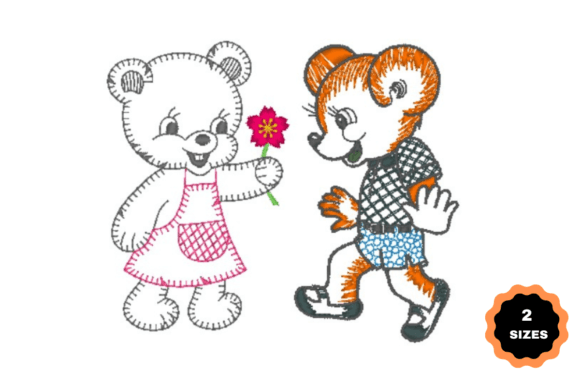
Based on the title and the tone of the description, Pretty Bears reads as a gentle, decorative embroidery rather than a bold novelty motif. It is likely designed to add what the creator calls “an extraordinary look” to everyday fabrics. This tells me the artwork probably features soft curves, subtle expressions, and a finish that leans more toward handmade product elegance than loud or cartoonish style. For a Teddy Bears category design, that places it nicely between sentimental nursery decor and understated kawaii appeal. From a booth perspective, designs with that emotional softness tend to attract grandmothers shopping for baby gifts, parents looking for personalized keepsakes, and anyone drawn to cozy textures.
Where Pretty Bears Belongs in Your Product Line
Not every embroidery file translates smoothly onto every surface. Here is where I see Pretty Bears performing best, along with a few items I would avoid.
Tote Bags and Market Bags
A medium-sized tote bag design placement lets this bear become a focal point without overwhelming the fabric. I would test it slightly off-center or in a bottom corner, using a soft cream or natural canvas. Customers at craft fairs love to see everyday usable items, and an embroidered tote sits at an easy impulse-buy price point. Just confirm the hoop size before you print your booth price tags; if Pretty Bears needs a larger hoop, that affects fabric wastage and production speed.
Tea Towels and Kitchen Linens
Tea towel embroidery often sells out on the first morning of a weekend market, especially designs that feel sweet but not seasonal. Pretty Bears could work beautifully here, but I always consider fabric texture and dense stitch areas. Waffle weave or heavily textured towels can distort small facial features. A smooth, tightly woven linen or flour sack cotton gives a much cleaner finish. If the bear contains tiny eyes or nose details, stitch density becomes critical to avoid puckering on thinner kitchen fabrics.
Apron Embroidery
An apron embroidery placement can turn a plain bib apron into a boutique-level item. I would position Pretty Bears on the upper bib, pairing it with a subtle script name or a single heart accent. Before running a batch, watch out for small lettering if the design includes text. Tiny script that looks fine on a monitor may turn illegible when stitched on a curved or gathered fabric surface. I learned early on to test lettering height directly on the actual apron fabric, not just on a flat stabilizer sample.
Pillow Covers and Fabric Pouches
Decorative pillow covers offer a larger canvas. This is where Pretty Bears can truly read as a premium handmade keepsake. A linen-blend pillow with a centered bear design pulls strong emotional attention at a booth. For small zip pouches, I prefer using the design at a reduced scale as a front accent. When scaling down, carefully inspect stitch density and thread overlap. Small designs with tight fills can become stiff and unpleasant to touch, which hurts the perceived value of a finished product.
Caps and Curved Surfaces
Stitching Pretty Bears onto a cap presents a clear challenge. The curved cap surface asks for excellent hooping technique and the right backing. If the bear design has a detailed face or intricate outlines, those elements can distort on a cap front. I rarely debut a new cap design at a craft fair without stitching at least three samples first. If I am short on time, I stick to flat goods and leave caps for later testing.
Embroidered Patches
An embroidered patch version of Pretty Bears could be a smart upsell item. Patches appeal to younger buyers and craft enthusiasts who sew them onto denim jackets, backpacks, or craft projects. With patches, a clean edge finish matters more than ever. If the design includes intricate outer borders, check whether they translate into a clean patch shape. I would run a test with a water-soluble stabilizer on felt or twill to see how the edges present before committing to a bulk patch run.
Photographing and Listing Pretty Bears Online
An Etsy seller or small shop product listing depends heavily on how the embroidery reads in a thumbnail. Pretty Bears, with its soft and probably light-toned nature, demands careful photography. On dark fabric, lighter thread colors might lose crispness unless you adjust contrast in post-processing. On very light fabric, the design might fade visually inside a smartphone screen view. I find that a mid-toned linen or natural oat-colored fabric delivers the most reliable printable mockup result. A digital embroidery file listing also benefits from showing the design in at least two real settings, such as a flat lay over a fabric swatch and a styled product shot with simple props.
Batch Production and Booth Display Strength
For craft fair sellers who stitch dozens of items in advance, repeatability matters. Pretty Bears likely brings a consistent, recognizable shape that shoppers identify quickly. That is important. When a customer scans a busy booth, a unified design theme stops them. If you display a tote, a tea towel, a pillow cover, and a small pouch all bearing the same bear, you build a mini collection effect. The eye moves from one piece to the next, and that increases dwell time and buyer confidence.
However, embroidery designs with tiny details can slow down production. Watch out for thread breaks, frequent color changes, or dense fill sections that require extra trimming. I always run a full stitch out on scrap fabric before preparing inventory. During that test, I note every thread change checkpoint and decide whether to adjust thread types or simplify color choices to speed up stitching without losing the design's charm.
Practical Designer Notes for a Flawless Finish
Every experienced embroiderer builds a pre-production checklist. For Pretty Bears, these are my non-negotiables:
- Test on scrap fabric first. Do not trust the screen preview alone. Fabric weave, thread tension, and stabilizer all change the look.
- Check thread contrast. Soft pastel threads on light fabric can disappear. Make sure the face details remain visible from a few feet away, the typical distance a customer stands from your table.
- Review spacing and minimal gaps. If the design uses satin stitch outlines, confirm that fills meet borders cleanly without gaps that expose base fabric.
- Confirm hoop size. The description does not specify a hoop size, so verify the file dimensions before committing to frames. A design that slightly exceeds your hoop forces rehooping, which costs time and precision.
- Inspect stitch density. High density on lightweight fabric can create a stiff, boardy feel. That reduces tactile appeal, a vital factor when shoppers touch your products.
- Use the right stabilizer. A no-show mesh for thin fabrics, a medium cutaway for knits, and a tearaway for stable wovens. For tote bags, I often use a fusible poly mesh to prevent shifting during the stitch run.
- Create at least one real mockup. A flat, photographed mockup informs your online listing accuracy and becomes a booth sample for in-person selling.
- Compare fabric colors. Stitch the same design on two different fabric colors and see which one photographs better and feels more aligned with customer expectations.
Commercial Use and Licensing Awareness
Before selling any item stitched with Pretty Bears, confirm the commercial embroidery licensing terms directly with the design source. The description mentions “multiple embr” but does not state explicit small business usage rights. I never assume a file includes a commercial license. If you plan to list finished tote bags, aprons, or patches on Etsy or in your small shop, licensing clarity protects you from take-downs and costly disputes. As a rule, I keep purchase receipts and license terms saved in a dedicated folder for each design assets collection I use.
Where Pretty Bears Fits in a Weekend Market Strategy
For a typical spring or summer market, I would place Pretty Bears items near the front of my table, grouped with soft neutral tones and a small sign that reads “Hand-stitched keepsakes.” I would price tote bags slightly higher than plain ones but keep small pouches affordable enough for a child's gift. The bear's gentle appearance invites touch, so I keep one unpackaged pillow cover available for customers to feel. If the surface feels plush and even, the sale often closes without much effort. If the stitching feels coarse or scratchy, I know to adjust my stabilizer setup before the next show.
Final Considerations Before Production
Pretty Bears hits the emotional notes that work well for a Teddy Bears embroidery. Its soft, adorable character translates nicely across home decor, children's gifts, and simple fashion accents. The key is treating it as a thoughtful, small-scale focal point rather than a large, heavily filled graphic. Prioritize smooth fabrics, test thoroughly, and display it in groupings. If stitch density, licensing, and thread colors all check out, this design earns a spot in my craft fair inventory and deserves attention from makers who sell heartwarming handmade goods.