Sliced Apple Embroidery Review for Craft Fair Sellers
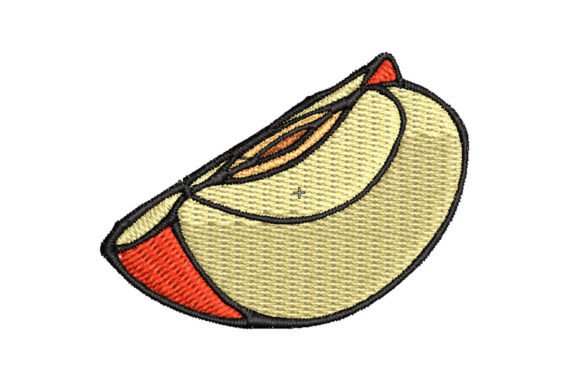
When I first opened the file for Sliced Apple, I immediately smiled. The description says it all: “If you need a fruity accent for your clothes, home, or kitchen, try out this cute embroidery of a sliced apple.” That word cute is doing a lot of heavy lifting here, and honestly, it’s the right kind of energy for a handmade market. This isn’t a hyper-realistic botanical study. It’s a playful, clean, almost sticker-like cross-section of an apple that reads as cheerful, fresh, and instantly recognizable. For a weekend craft fair booth, that one-second recognition matters more than technical complexity. From a design perspective, Sliced Apple feels modern but not trendy, clean enough to lean farmhouse, and soft enough to work into a minimalist kitchen aesthetic. It’s the kind of motif that stops a customer mid-stride and makes them say, “Oh, that’s adorable.”
First Booth Impression and Visual Selling Power
Standing behind a craft fair table, you learn that most shoppers scan with their eyes before they ever touch a product. Sliced Apple rises to that challenge beautifully. The silhouette of a sliced apple is universal, the seed-star instantly reads as “apple,” and the gentle curves keep it from feeling harsh or juvenile. Because the description mentions multiple embroidery file formats, I can already picture this design stitched out in a range of thread colors—classic red and pale yellow, soft pink for a honeycrisp vibe, or even a single-color thread on dark fabric for a tone-on-tone effect. The design likely depends on a small handful of color changes, which makes it approachable for production. On a display wall, a row of tea towels, totes, or zipper pouches featuring this machine embroidery design will feel cohesive without being repetitive. It reads as a curated collection rather than a one-off craft.
The charm of Sliced Apple lies in its simplicity. It doesn’t scream for attention, but it does invite a second look. That’s gold in a festival setting where tables compete with each other. If I arrange three tote bags with this design, each in a different thread palette, they’ll catch the light differently and draw shoppers into the booth. It’s the sort of visual anchor that makes a display feel intentional.
Best Product Matches for Craft Fair Success
Not every embroidery file works everywhere. The magic of Sliced Apple is that it fits a deceptively wide range of products without stretching credibility. Here’s where I see it performing exceptionally well:
- Tea towel embroidery: This is the obvious winner. A crisp white or oatmeal linen tea towel with a single Sliced Apple near the hem creates an instant kitchen staple. It photographs beautifully for Etsy listings and stacks neatly on a fair table.
- Tote bag design: A natural canvas tote with this design centered or placed in a pocket corner becomes a reusable shopping bag that feels like a treat. I’d also test it on a mini market tote for a smaller, lower-priced impulse buy.
- Apron embroidery: A bib apron with a small Sliced Apple on the chest pocket adds a hint of personality without being costume-y. For a farm stand or bakery vibe, it’s perfect.
- Embroidered patch: If the stitch density allows, I’d stitch this on felt or twill and create standalone patches. At a booth, patches are a low-cost add-on that sell on the spot, especially when themed around food.
- Small pouches and zip bags: Linen or cotton pouches with a bright apple accent feel like a tiny, giftable luxury. They photograph well in flat lays and sit nicely next to cash wraps.
I would also test Sliced Apple on pillow covers and fabric kitchen napkins, but the design’s scale matters. If the file is already optimized for a 4x4 hoop, it needs to read clearly without crowding the fabric. On a 5x7 or larger hoop, the design could have a bit more breathing room, which opens up tote backs or center-chest sweatshirt placements.
Photographing the Stitched Design for Online and In-Person Sales
For an Etsy seller or a small shop owner listing a digital embroidery file or a finished product, Sliced Apple is a dream to photograph. The design’s clear shape and limited color palette mean it doesn’t get lost in busy backgrounds. I’d shoot it on a neutral linen, a pale blue tea towel, and a natural kraft paper backdrop—all of which let the thread colors pop. When creating a printable mockup or even a simple phone photo for social media, you’ll find that the apple’s simple geometry catches natural light well, showing off stitch texture and dimension. That’s crucial for converting online browsers into buyers.
In the booth, the design works double duty. A stitched sample pinned to a corkboard or draped over a basket attracts eyes. Because the motif is cheerful and food-related, it often sparks a small emotional reaction—people smile, they mention a favorite apple variety, or they recall a kitchen memory. That tiny connection is what turns a looker into a customer.
Production Realities and Careful-Use Notes
Now, let’s get into the nitty-gritty of making this design work across multiple pieces. Even a “cute” design like Sliced Apple can go wrong if you skip a few checks. Based on the description, we don’t know the exact stitch count or density, so before you commit to a batch, open the embroidery file in your software and look for these potential trouble spots:
- Dense stitch areas: If the apple’s flesh area uses a heavy fill, it could cause puckering on lightweight fabrics. Test on a scrap of the exact fabric and stabilizer you plan to use.
- Tiny details: The seeds and the subtle curve where the skin meets the flesh might rely on very small satin columns. At sizes smaller than 3.5 inches, those details could close up or distort. I would never shrink this design below the tested hoop size without a sew-out.
- Thick fabric and textured towels: On a fluffy tea towel, the small seed details or thin inner lines may sink and disappear. Use a water-soluble topper to keep the surface crisp, and always test on the actual towel you’ll sell.
- Curved cap surfaces: If you’re considering caps, this design will likely need to be relatively small. The apple needs to wrap without distorting the star-shaped seed core. I’d only attempt this on a unstructured or dad cap with a curved hoop adaptor, and only after a practice run.
- Dark fabric: Stitching a red apple on black or navy will require high-contrast thread and possibly a white underlay to make the colors sing. Otherwise, the design can look muddy in person.
Also, pay attention to thread colors. The listing likely assumes a standard red and cream, but substituting a deep burgundy or a green apple palette instantly changes the mood. I always keep a few stitched samples side-by-side to see which gets more comments. Often, the unexpected colorway outsells the classic one because it feels more unique.
Batch Production and Repeatability at the Fair
If you’re planning to bring thirty kitchen towels and twenty totes to a two-day market, repeatability matters. Sliced Apple shines here because it likely has minimal color changes and a straightforward stitch order. Once you’ve dialed in the stabilizer, thread tension, and hoop placement, you can produce multiples fairly quickly. I’d set up a hooping jig and keep pre-cut fabric stacks ready. The design’s simplicity also means less thread trimming and fewer chances for machine errors. That’s a huge plus when you’re trying to keep costs down and margins healthy.
From a customer perspective, the repeatability translates into consistency. A shopper who buys a towel in the morning and comes back for a pouch in the afternoon will see the same quality across items. That builds trust and reinforces your brand as a maker who pays attention. Sliced Apple can become a signature motif that ties your handmade product line together without feeling like you’re just stamping the same picture everywhere.
Design File and Licensing Considerations
Because the description states that this machine embroidery design comes with multiple formats, you’ll likely receive a zip with several file types. Before you transfer it to your machine, check the included format list against your machine’s requirements. Also, confirm the hoop size and precise dimensions directly in the file; the product listing may not specify these, and assuming can lead to wasted fabric. I’d also strongly recommend checking the commercial embroidery license terms. The phrase “can be use” suggests finished products may be sold, but you need to be certain. If the designer allows physical finished items to be sold at craft fairs and online, you’re golden. If not, you’ll need a different license. Always keep a copy of the permission in your records.
How Sliced Apple Elevates Buyer Engagement and Booth Flow
I’ve noticed that food-related designs, especially fruit, do something special in a craft fair setting. They invite touch, comment, and conversation. Sliced Apple on a towel isn’t just a decoration—it’s a little story. Someone might pick it up and say, “This would be perfect in my aunt’s new kitchen,” or “I need this on an apron for baking season.” The design’s inherent warmth and familiarity make it an easy gift, and easy gifts sell fast. You don’t have to explain it; the apple does the talking. That’s a huge advantage when you’re juggling multiple customers at once.
The design also allows you to build tiered pricing. A simple embroidered towel might be your entry-level item, a set of two towels moves up, and a fully coordinated apron-and-towel bundle becomes your premium offering. Because the motif stays consistent, the upsell feels natural, not forced.
Final Pre-Production Checklist for Makers
Before I’d take Sliced Apple to a single market, I’d run through this list every time:
- Test on scrap fabric in the exact fiber and weave you’ll use for your products. What looks great on quilting cotton may pucker on linen.
- Check thread contrast in natural booth lighting, not just under your sewing room lamp. Colors shift, and you want the apple to read clearly from four feet away.
- Review spacing and density in your software’s stitch player. If the seed area looks crowded, consider asking the digitizer for a tweak, or adjust your thread tension if possible.
- Confirm hoop size by measuring the design’s bounding box. Never rely on the file name alone.
- Match the right stabilizer to the fabric texture. A cut-away for knits, a tear-away for wovens, and a mesh or wash-away for delicate linens are good starting points.
- Create at least one real mockup on the actual product blank and photograph it immediately. That image becomes your pre-sale social proof.
- Compare fabric colors side-by-side. A soft cream towel might make the apple look brighter than a bright white one, and that subtle difference can change buyer preference.
Once those steps are done, I feel fully confident that Sliced Apple will earn its spot on the table. It’s the kind of design that respects the maker’s time, delights the customer, and holds its own in a sea of competing booths. For any embroidery business owner looking to add a fruity, approachable motif to their lineup, this design is well worth the thread.